How to Keep Training When Work Takes Over Your Week
Things don’t calm down, and your rehab can’t wait until they do. How little training it takes to hold on to strength, and how to plan normal, busy and disruption weeks.
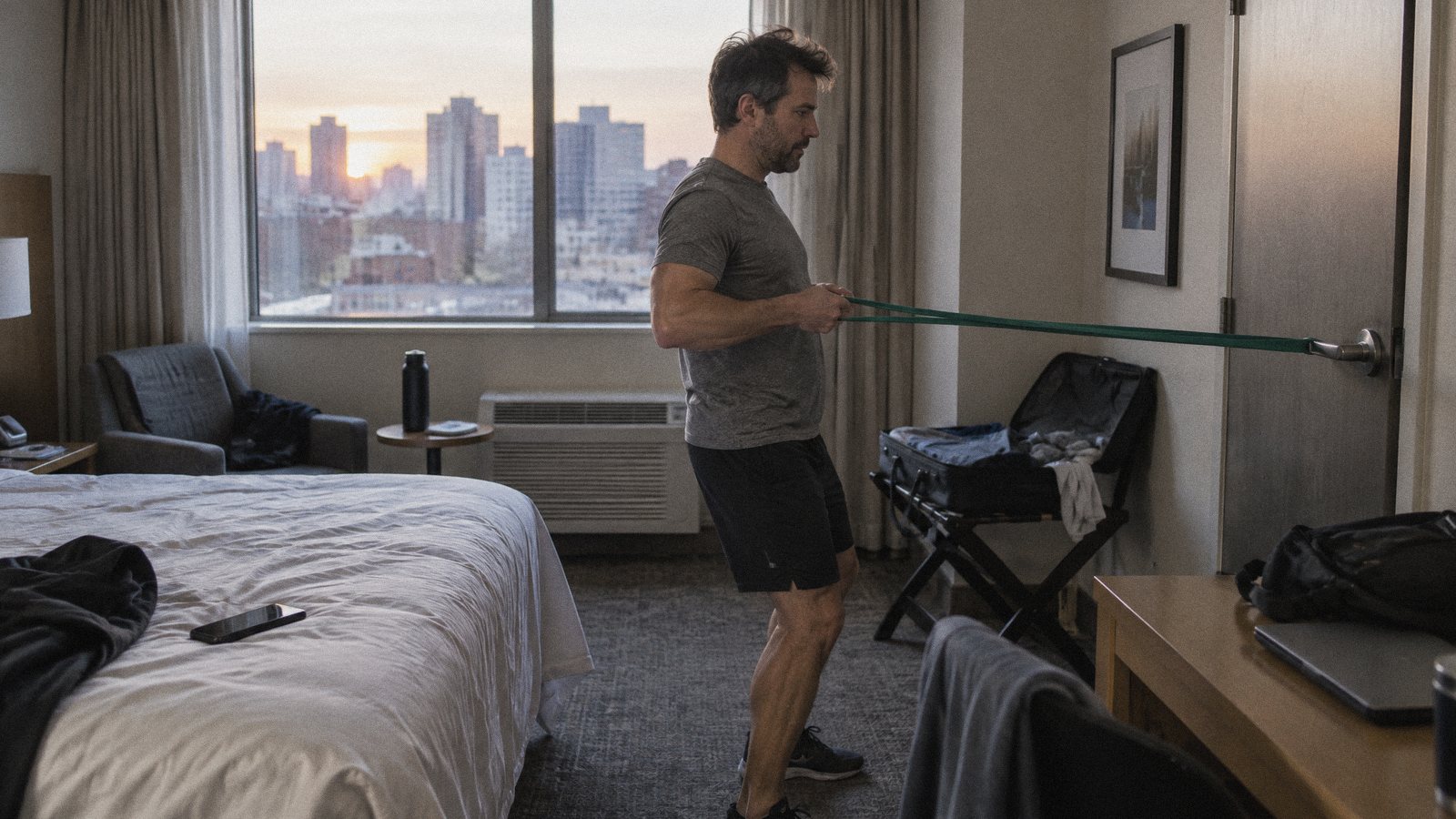
The story below is a composite of real experiences; details changed.
“I’ll start again next week, when things calm down.”
If you’ve said that about your rehab, you already know how it ends. Things don’t calm down.
Nate Carver, 41, develops commercial real estate. He’s eight weeks into rehab for a cranky right shoulder: three strength sessions a week, plus daily band work.
This week has three flights on it. Monday, Dallas. Wednesday, Denver. Friday, a closing that could run to midnight.
Monday, he swings his roller bag into the overhead bin, and the shoulder pinches. By Tuesday he’s made the call. Next week.
That’s the part that scares him. One skipped week turns into three, and then he’s starting over.
The problem isn’t Nate’s discipline. It’s a plan built for a week he never gets. Here’s how to build one for the weeks you actually have.
You need less than you think to hold on
Here’s the good news. Keeping strength takes far less work than building it.
In one study, 70 adults trained three days a week for 16 weeks. Then they cut back for 32 weeks. For the younger group (ages 20 to 35), one session a week with just one set per exercise kept their strength and muscle size. (Bickel et al., Medicine & Science in Sports & Exercise, 2011)
The older group (60 to 75) kept most of their strength, too. But they lost their muscle-size gains on the reduced plans. The older you are, the more a steady dose matters.
One limit: these were healthy people, not people rehabbing an injury. Your rehab plan still comes from your clinician. But the idea holds. A little, done consistently, beats a lot, done someday.
The CDC agrees. Adults should aim for 150 minutes of moderate activity a week plus strength work on two days. And that time can be split into short chunks. Some activity is better than none. (CDC)
The minimum session isn’t a failure. It’s the thing that keeps you from starting over.
Plan three versions of your week
Most people plan one week: the ideal one. Then real life hits and the plan breaks. Plan all three before Monday.
| Week type | What it looks like | Nate’s version |
|---|---|---|
| Normal | Your full plan | 3 strength sessions, daily band work, 2 walks |
| Busy | Fewer, shorter sessions | 2 sessions of 30 minutes, band work most days |
| Disruption | Travel, crisis or illness | One 20-minute hotel session, band work every day, walk the airport |
On Sunday night, look at the calendar and pick the week type. Decide once. Don’t renegotiate every morning.
Build your 20-minute floor
Your “disruption” session is your floor. It should be short enough that you can’t talk yourself out of it.
The 20-minute floor (for an otherwise cleared adult)
- 5 minutes: your prescribed rehab exercises. Non-negotiable.
- 12 minutes: one hard set each of 4 moves you’re cleared for: a squat or lunge, a push, a pull, a hinge.
- 3 minutes: walk it off. Stairs count.
Pack a resistance band in your carry-on. It covers most of this in a hotel room.
If something you used to do is off-limits for now, swap it for something you’re cleared for. Don’t just drop it. If losing muscle is the fear keeping you up at night, start with a plan for losing muscle while injured.
Protect the rehab first
When time gets short, most people cut the boring stuff first. That’s usually the rehab.
Flip it. The band work is what’s actually fixing the problem. The heavy sets can wait a week. The rehab can’t.
And watch the total load. A week of red-eyes, bad sleep and stress takes a toll on recovery, too. If your job is physically demanding, it may be loading the same tissue as your workouts. Here’s why your job and your workouts can be loading the same injury.
The evidence, without the theater
What the research shows
- Strength can be kept with much less training than it took to build.
- Younger adults kept muscle size on one short session a week. Older adults needed more.
- Short bouts of activity count toward weekly goals.
What it doesn’t show
- A safe minimum for an injured or recently repaired joint.
- That one session a week is enough to make progress, not just hold on.
- Your personal dose. Ask your clinician or PT.
When not to wait
Check in with your clinician if:
- Pain after a short session is worse the next day, not better.
- Swelling, catching or giving way shows up during travel weeks.
- You’ve missed rehab for two weeks or more. Ask how to restart safely.
Denver, 6:10 a.m.
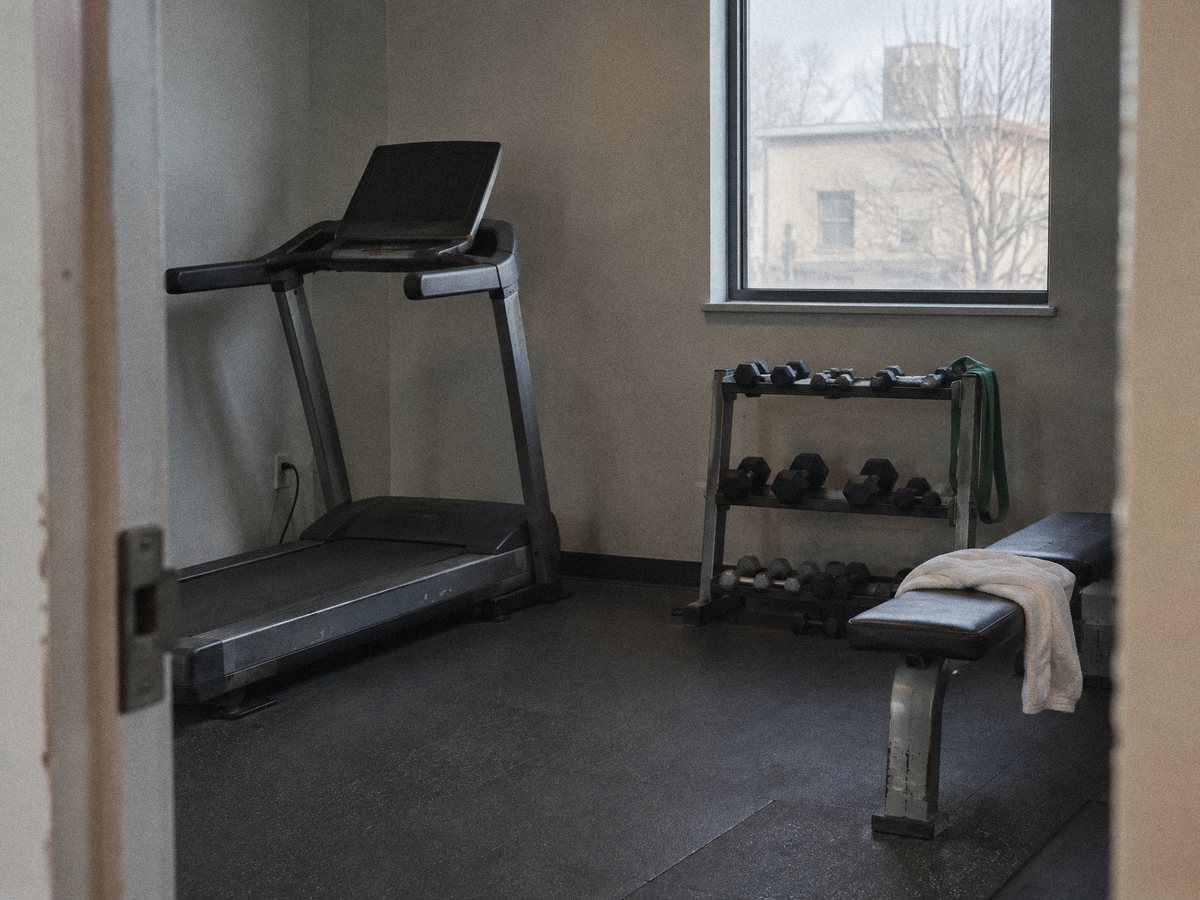
Nate’s hotel gym is a treadmill and a rack of dumbbells that stops at 40 pounds. He doesn’t care. It’s a disruption week, and he planned for it.
Band work. Goblet squats. Push-ups. One-arm rows. Twenty minutes. He’s in the shower by 6:35.
It’s not the workout he wanted. It’s the one that keeps him from starting over.
Tonight, write your three weeks: normal, busy and disruption. Then circle the 20-minute floor. That’s the one you’ll use most.
Nate is a composite, drawn from the kinds of stories busy people describe during recovery. The details are illustrative. The pattern is real.
Free · Your Before-You-Leave Card
Don’t leave your next appointment with “rest it.”
Get the questions for your injury in 8 taps.
Get my card →Questions readers ask
- How little training can I do and still keep my strength?
- In one study of healthy adults, a single session a week with one set per exercise kept strength in both younger and older adults after 16 weeks of training. Younger adults also kept muscle size; older adults did not. Ask your clinician how this applies if you are rehabbing an injury.
- What should I cut first when I’m busy?
- Keep your prescribed rehab exercises and cut volume elsewhere. The rehab is what addresses the injury; heavy sets can wait a week.
- Do short workouts count?
- Yes. The CDC says adults can split their weekly activity into shorter periods, and that some activity is better than none.
Sources & references (2)
- Exercise dosing to retain resistance training adaptations in young and older adults · Medicine & Science in Sports & Exercise, 2011
- Adult Activity: An Overview · CDC, 2023
The Series
45 articlesPart 1: Understanding Your Injury (1 to 19)
- After the MRI: How to Read a Rotator Cuff Report Without Getting Sold a Surgery
- Told to “Just Rest It”? Five Questions to Ask Before You Leave
- When Shoulder Pain Keeps Waking You Up
- Meniscus Surgery Recovery: When Can You Return to Your Kind of Work?
- Rotator Cuff Surgery or More Physical Therapy? Questions That Clarify the Decision
- Achilles Tendon Pain: Why This Tendon Is a Different Problem
- Four Months After Rotator Cuff Repair and It Still Hurts: Normal, or a Retear?
- Your Knee Feels Worse After the Meniscus Scope. What Could Be Going On?
- Hip Flexor Pain After Hip Arthroscopy: Why It Shows Up and When It Settles
- Tennis Elbow That Won’t Go Away: Why Rest and Shots Stall, and What Helps
- Knee Swelling After Meniscus Surgery: How Long Is Normal, and When to Call
- Quad Won’t Fire After Knee Surgery? What Quad Shutdown Is and How to Get It Back
- Walking After Meniscus Surgery: When You Can, How Far, and When to Drop the Crutches
- How to Sleep After Rotator Cuff Surgery, and When Nights Get Easier
- Felt a Pop After Knee Surgery? Re-Tear or Setback, and When to Call
- Home After a Microdiscectomy: How Much to Walk and How Long to Sit
- Running After ACL Surgery: When Your First Jog Comes, and What It Tells You About Work
- When Can You Drive After Rotator Cuff Surgery and Get Back in the Work Truck?
- Knee Won’t Straighten After Meniscus Surgery? Why It Happens and What Helps
Part 2: Work and Real Life (20 to 29)
- You Can Still Work. But What Is Your Injury Costing You?
- Self-Employed and Injured: How to Plan for Time Away From Work
- Your Job and Your Workouts Are Loading the Same Injury
- How to Take Time to Recover When Everyone Depends on You
- What Do You Still Want to Be Able to Do in Ten Years?
- Microdiscectomy Recovery: When Can You Go Back to Heavy Work?
- Kneeling After Knee Surgery: Why It Comes Back Last and How to Retrain It
- Rotator Cuff Surgery Recovery: When Can You Go Back to Work?
- When Can You Drive After Knee Surgery and Get Back in the Work Van?
- When Can You Go Back to Physical Work After ACL Surgery?
Part 3: Back to Training (30 to 34)
Part 4: Reading the Evidence (35 to 45)
- Your Watch Says You’re Recovered. Your Shoulder Disagrees.
- Recovery Is Taking Longer Than You Expected. What Counts as Progress?
- Before You Buy Another Recovery Tool, Decide What You Need It to Do
- “It Worked for Me”: How to Evaluate a Recovery Claim
- BPC-157 After an Orthopedic Procedure: What Does the Research Actually Show?
- TB-500 vs. BPC-157: What the Research Actually Compares
- How to Read a Peptide COA: What It Proves and What It Doesn’t
- The Research Stack People Ask About After a Scope, and the Gaps in the Human Data
- What the Tendon Research on BPC-157 Actually Measured
- What’s in the Other 1%? Peptide Impurities, Explained
- Approved, Compounded or “Research Use Only”: What a Peptide’s Label Means in 2026
Free · 60-second recovery check
What’s really holding your recovery back?
Eight quick taps. Find the one thing stalling your recovery, then get the three moves to work on first, picked from 30 guides and 100+ cited sources.
- Your bottleneck, named in 60 seconds
- 3 moves for this week, fitted to your job
- Your Before-You-Leave Card: the questions for your next appointment
What got hurt?
Free. No sign-up to start. Not medical advice.
Keep reading
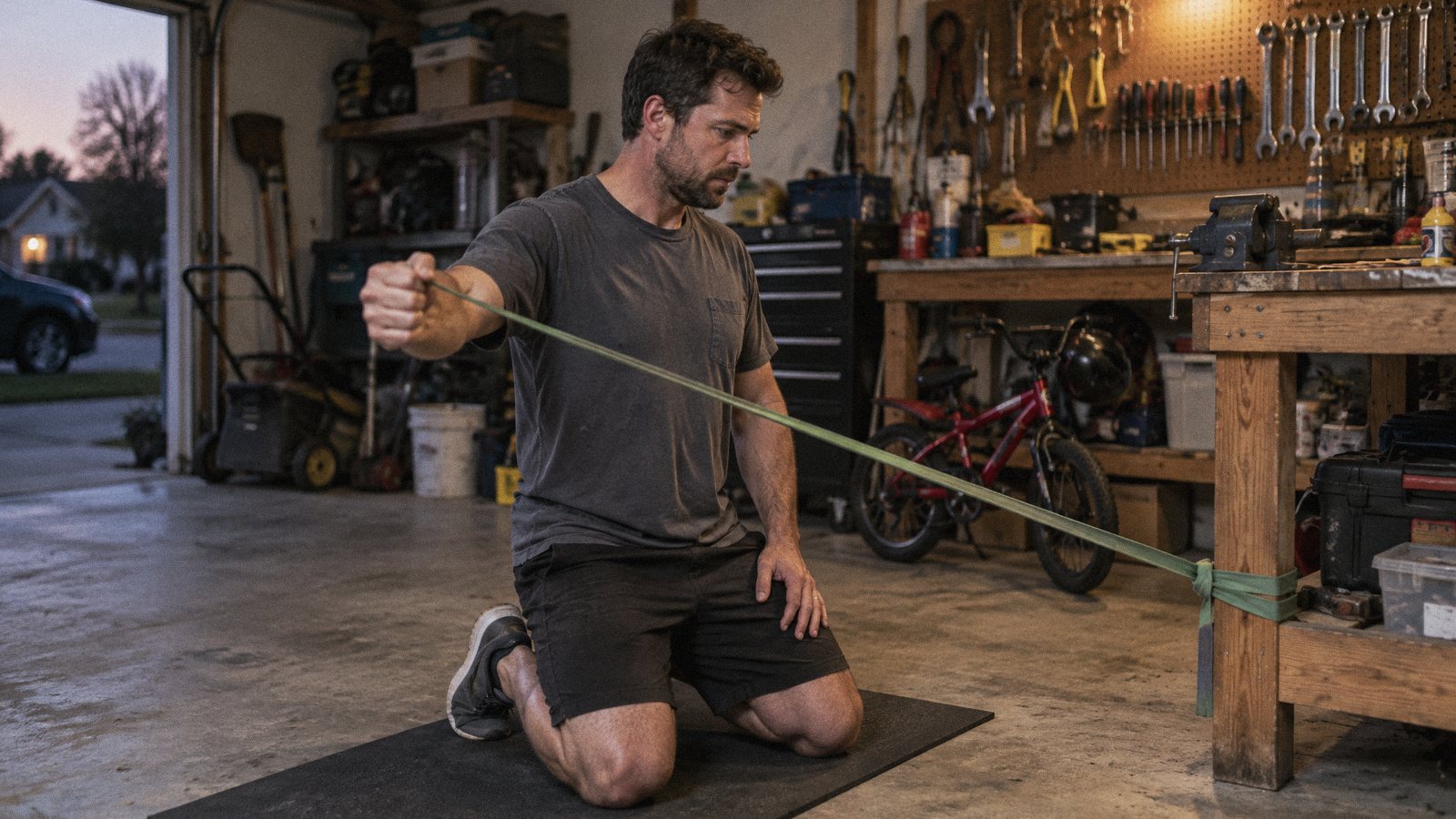
Doing PT but Not Getting Better? Why Tendons Plateau and What to Reassess
You haven’t missed a session, and you’re still stuck. Why tendons adapt slowly, what PT studies actually measure, and a six-point check to get your plan moving again.

You Used to Trust Your Body. How Do You Get That Back?
You were cleared. Your body said yes. Something else said no. Why hesitation after injury is so common, and a step-by-step ladder to rebuild trust.
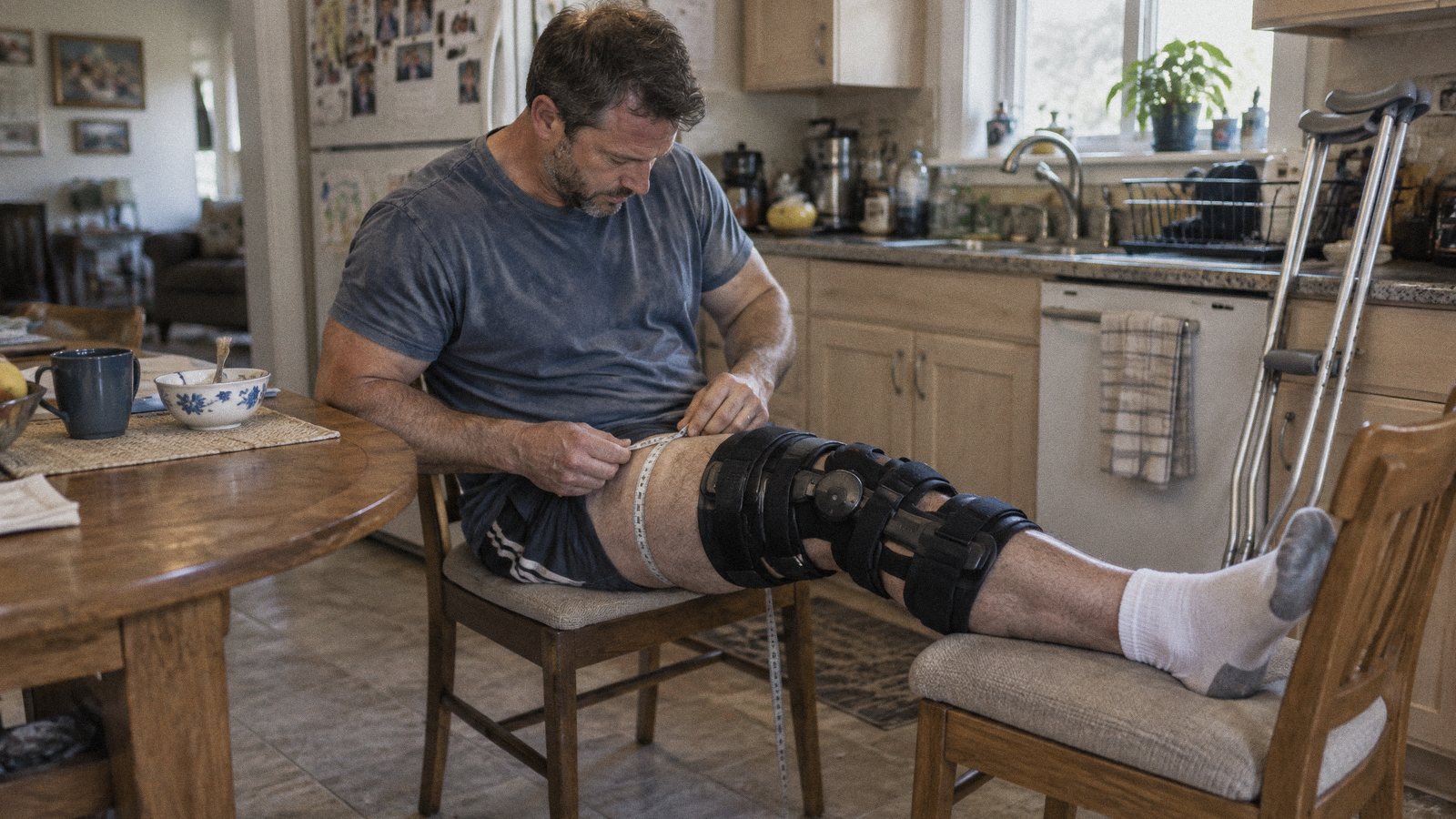
Worried About Losing Muscle While Injured? Start With a Plan
It feels like years of work are disappearing. Some loss is real, and most is manageable. What disuse does, why training the other side helps, and a cleared-activity list.