Your Watch Says You’re Recovered. Your Shoulder Disagrees.
Green score, sore shoulder? A recovery score reads your whole system, not one injured joint. What it can and can’t tell you, and which signal wins when they disagree.
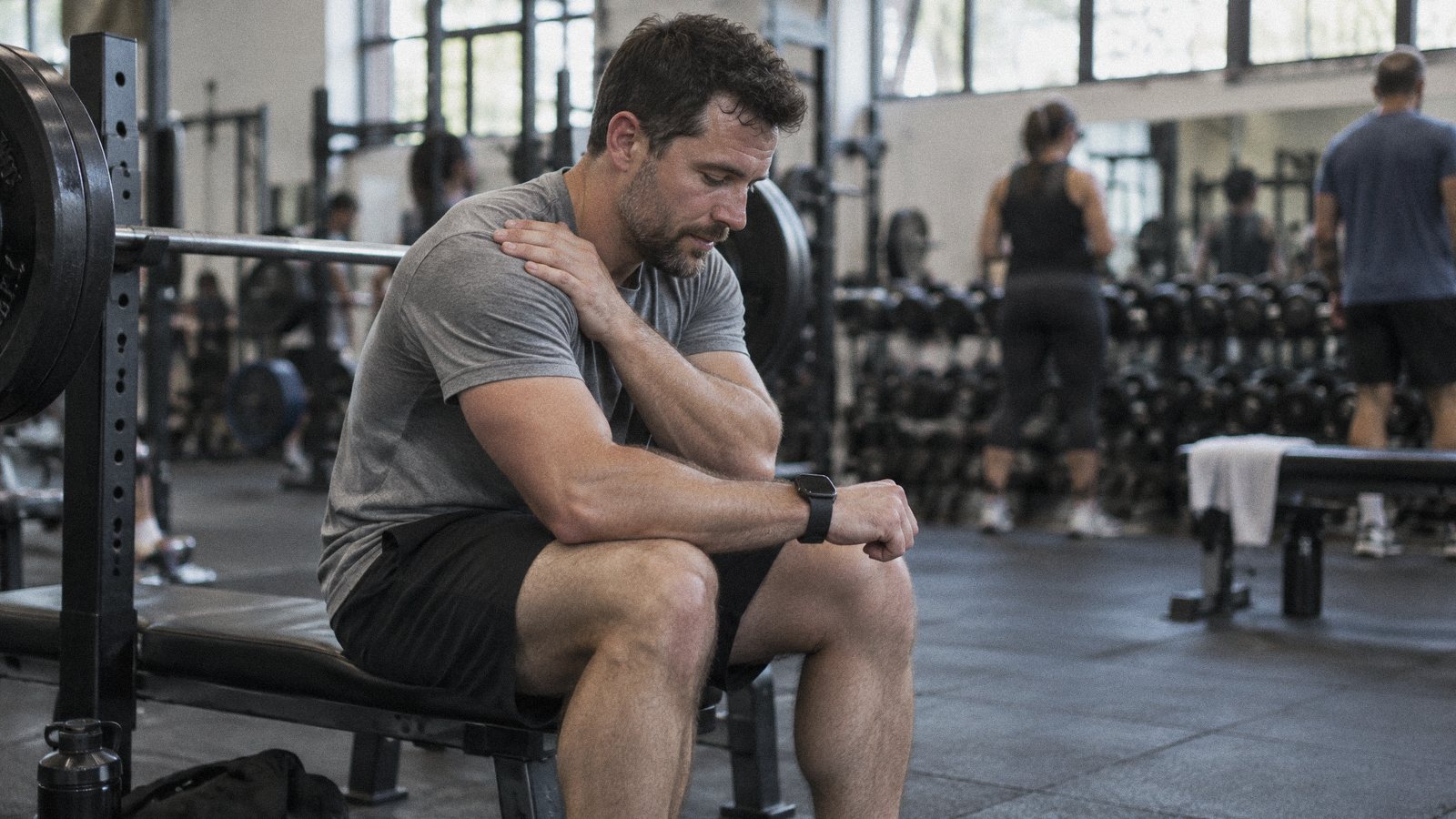
The story below is a composite of real experiences; details changed.
Your watch says you’re ready. Your shoulder is about to disagree.
Chris Lang, 37, manages money for a living. He trusts data. He slept eight hours, his heart rate variability is up, and his watch reads 91%. Green. “Primed for strain.”
He’s been holding back on his left shoulder for weeks. This morning feels like permission.
At the bottom of his second set of bench press, the shoulder lights up like a warning light.
He racks the bar and stares at his wrist. Ninety-one percent of what?
Here’s what that score can and can’t see, and which signal to trust when your watch and your shoulder disagree.
What a recovery score actually measures
Most recovery or readiness scores are built from whole-body signals. Think heart rate variability, resting heart rate, sleep and recent activity. Each brand weighs them differently. Check your manufacturer’s own definition.
Those signals can say something real about your overall recovery. What they can’t do is look inside one shoulder.
A green score means your system looks rested. It doesn’t mean a tendon is healed.
Your heart doesn’t know your rotator cuff is irritated. Neither does your watch.
If you feel burned by a green number, that’s fair. After weeks of holding back, you wanted it to mean yes.
The watch reads the engine. It can’t see the flat tire.
Popular isn’t the same as validated
The American College of Sports Medicine surveyed about 2,000 exercise professionals. They ranked wearable technology the #1 fitness trend for 2026. (ACSM, October 2025)
The same announcement came with a caution. It said “rapid innovation often outpaces validation,” and that wearable data is often most useful for tracking patterns over time.
In other words: use the trend, not the single morning’s number. And don’t ask a device to answer a question it wasn’t built for.
The evidence, without the theater
What the research shows
- Wearables are hugely popular with pros and the public.
- Their data is most useful as a trend over time.
- Return-to-activity decisions weigh physical, mental and life factors together.
What it doesn’t show
- That a readiness score reflects a specific injury.
- That a green score means tissue is ready for heavy load.
- That every device measures the same thing, or measures it accurately.
When signals disagree, use this order
The signal hierarchy
- Your clinician’s limits. If you’ve been told no overhead pressing until the 15th, the watch doesn’t get a vote.
- The joint itself. Pain during the lift, pain the next morning, swelling, lost strength or range. These are the most local signals you have.
- The device. Useful for the big picture: are you sleeping, recovering, overdoing it overall?
Here’s a simple rule. The watch can tell you to go easier. It can’t tell an injured joint to go harder.
A red score on a day your shoulder feels fine? Maybe scale back overall. A green score on a day your shoulder flares? Train, but work around the shoulder.
Return to full activity is a stepwise process that weighs physical, psychological and life factors, according to an international consensus. (Bern Consensus, 2016) No single number captures all of that. If you want a better way to track the joint itself, here’s how to measure what counts as progress.
Make the watch work for you
Wearables are still useful here. Use them for what they’re good at:
- Sleep. Is shoulder pain waking you? Your sleep data can show the pattern. (If it is, read what to do when shoulder pain keeps waking you up.)
- Total load. A brutal work week and hard training add up. A dropping trend is worth respecting.
- Consistency. Seeing weeks of steady activity can keep you going when progress feels slow.
When not to wait
No matter what the watch says, get checked if:
- A joint gives way, locks, or suddenly loses strength.
- Swelling or pain is getting worse week to week.
- You get chest pain, fainting, or an unusual heart rhythm alert. That’s a medical question, not a training one.
Ninety-one percent of what
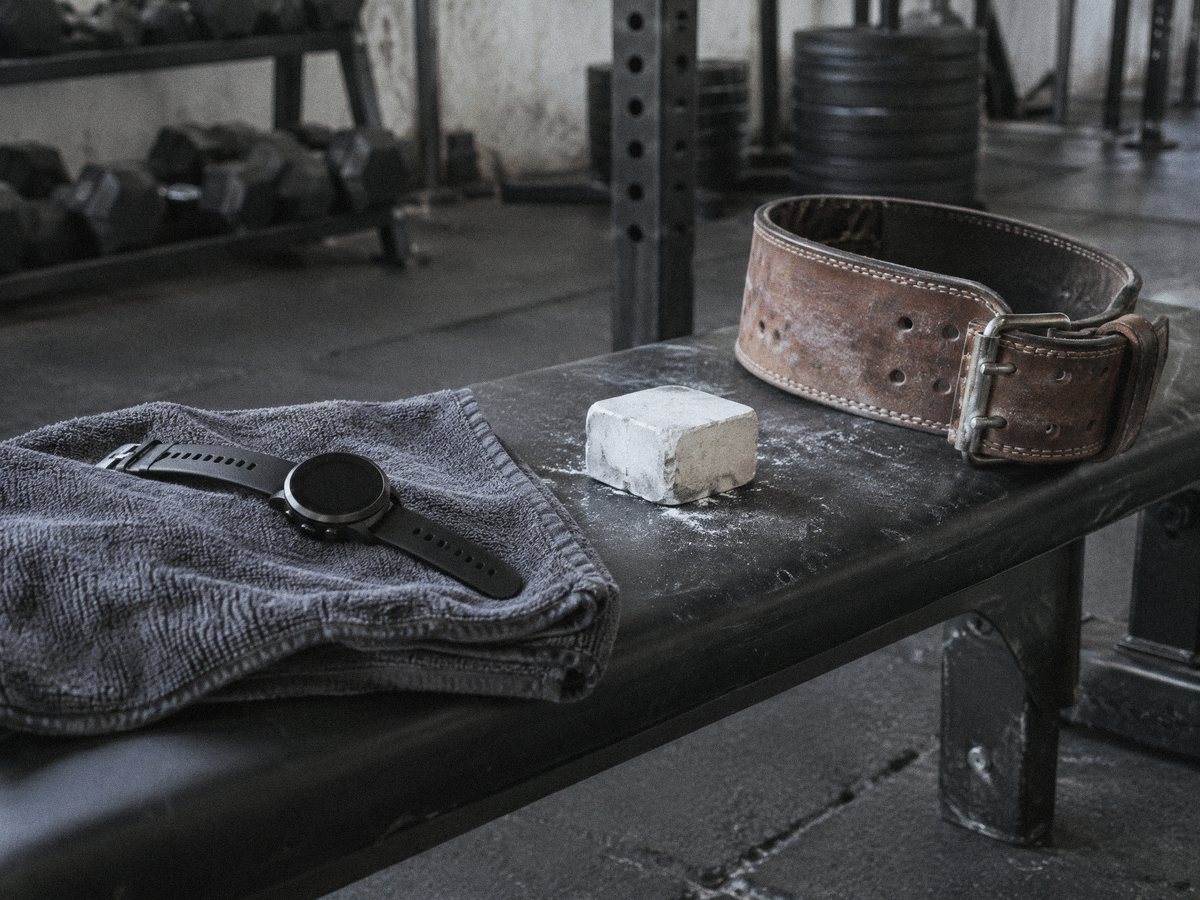
Chris finishes the session. Squats, rows, carries. No pressing.
That night he adds a note to his app: Green day. Shoulder: 6/10 at bottom of bench. Skipped press.
Two weeks later, he shows his physical therapist the notes next to the recovery chart. The pattern is obvious. His best-scoring mornings were often his worst shoulder days. He’d been treating them as permission.
The number wasn’t wrong. It was answering a different question.
Your next step: after every session for two weeks, rate the injured joint 0 to 10 and write it next to that day’s score. Then show your PT.
Chris is a composite, drawn from the kinds of stories people describe during recovery. The details are illustrative. The pattern is real.
Free · Your Before-You-Leave Card
Don’t leave your next appointment with “rest it.”
Get the questions for your injury in 8 taps.
Get my card →Questions readers ask
- What does a wearable recovery score measure?
- Most readiness or recovery scores combine whole-body signals such as heart rate variability, resting heart rate, sleep and recent activity. Each brand weighs them differently. They do not measure the condition of a specific injured joint.
- Should I train hard if my recovery score is green but my injury hurts?
- Follow your clinician’s limits first, then the joint’s own signals, then the device. A device can suggest going easier overall, but it can’t tell an injured joint it’s ready for more load.
- Are wearables accurate?
- Accuracy varies by device and metric. The American College of Sports Medicine noted that rapid innovation often outpaces validation, and that wearable data is often most useful for tracking patterns over time.
Sources & references (2)
- ACSM Announces Top Fitness Trends for 2026 · American College of Sports Medicine, 2025
- 2016 Consensus statement on return to sport from the First World Congress in Sports Physical Therapy, Bern · British Journal of Sports Medicine, 2016
The Series
45 articlesPart 1: Understanding Your Injury (1 to 19)
- After the MRI: How to Read a Rotator Cuff Report Without Getting Sold a Surgery
- Told to “Just Rest It”? Five Questions to Ask Before You Leave
- When Shoulder Pain Keeps Waking You Up
- Meniscus Surgery Recovery: When Can You Return to Your Kind of Work?
- Rotator Cuff Surgery or More Physical Therapy? Questions That Clarify the Decision
- Achilles Tendon Pain: Why This Tendon Is a Different Problem
- Four Months After Rotator Cuff Repair and It Still Hurts: Normal, or a Retear?
- Your Knee Feels Worse After the Meniscus Scope. What Could Be Going On?
- Hip Flexor Pain After Hip Arthroscopy: Why It Shows Up and When It Settles
- Tennis Elbow That Won’t Go Away: Why Rest and Shots Stall, and What Helps
- Knee Swelling After Meniscus Surgery: How Long Is Normal, and When to Call
- Quad Won’t Fire After Knee Surgery? What Quad Shutdown Is and How to Get It Back
- Walking After Meniscus Surgery: When You Can, How Far, and When to Drop the Crutches
- How to Sleep After Rotator Cuff Surgery, and When Nights Get Easier
- Felt a Pop After Knee Surgery? Re-Tear or Setback, and When to Call
- Home After a Microdiscectomy: How Much to Walk and How Long to Sit
- Running After ACL Surgery: When Your First Jog Comes, and What It Tells You About Work
- When Can You Drive After Rotator Cuff Surgery and Get Back in the Work Truck?
- Knee Won’t Straighten After Meniscus Surgery? Why It Happens and What Helps
Part 2: Work and Real Life (20 to 29)
- You Can Still Work. But What Is Your Injury Costing You?
- Self-Employed and Injured: How to Plan for Time Away From Work
- Your Job and Your Workouts Are Loading the Same Injury
- How to Take Time to Recover When Everyone Depends on You
- What Do You Still Want to Be Able to Do in Ten Years?
- Microdiscectomy Recovery: When Can You Go Back to Heavy Work?
- Kneeling After Knee Surgery: Why It Comes Back Last and How to Retrain It
- Rotator Cuff Surgery Recovery: When Can You Go Back to Work?
- When Can You Drive After Knee Surgery and Get Back in the Work Van?
- When Can You Go Back to Physical Work After ACL Surgery?
Part 3: Back to Training (30 to 34)
Part 4: Reading the Evidence (35 to 45)
- Your Watch Says You’re Recovered. Your Shoulder Disagrees.
- Recovery Is Taking Longer Than You Expected. What Counts as Progress?
- Before You Buy Another Recovery Tool, Decide What You Need It to Do
- “It Worked for Me”: How to Evaluate a Recovery Claim
- BPC-157 After an Orthopedic Procedure: What Does the Research Actually Show?
- TB-500 vs. BPC-157: What the Research Actually Compares
- How to Read a Peptide COA: What It Proves and What It Doesn’t
- The Research Stack People Ask About After a Scope, and the Gaps in the Human Data
- What the Tendon Research on BPC-157 Actually Measured
- What’s in the Other 1%? Peptide Impurities, Explained
- Approved, Compounded or “Research Use Only”: What a Peptide’s Label Means in 2026
Free · 60-second recovery check
What’s really holding your recovery back?
Eight quick taps. Find the one thing stalling your recovery, then get the three moves to work on first, picked from 30 guides and 100+ cited sources.
- Your bottleneck, named in 60 seconds
- 3 moves for this week, fitted to your job
- Your Before-You-Leave Card: the questions for your next appointment
What got hurt?
Free. No sign-up to start. Not medical advice.
Keep reading

Recovery Is Taking Longer Than You Expected. What Counts as Progress?
A good day feels like a cure. A bad day feels like failure. Neither is true. How to track pain, function, activity and confidence separately, and see the trend that matters.
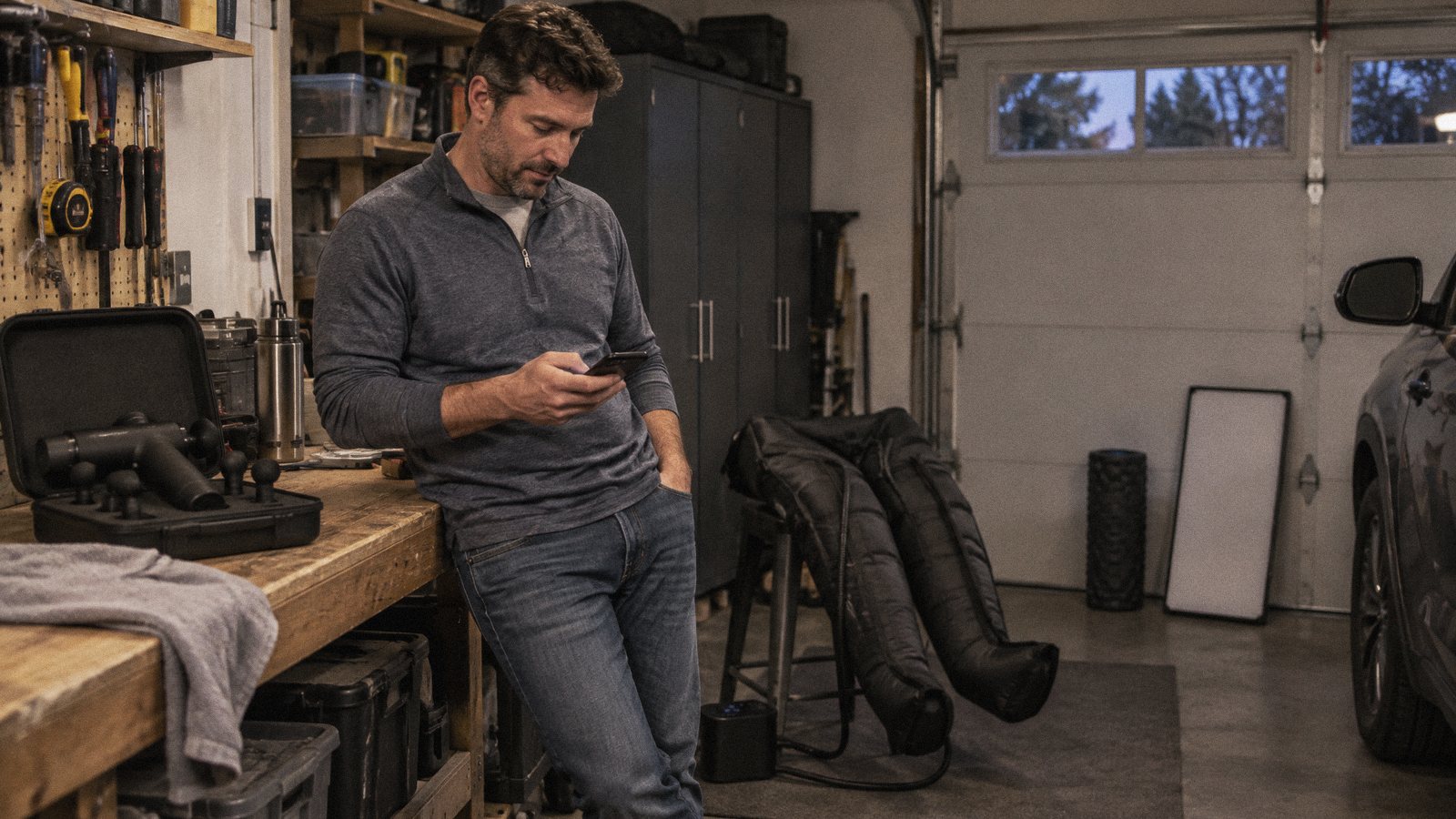
Before You Buy Another Recovery Tool, Decide What You Need It to Do
Garage full of recovery gear, and the knee still hurts? “Accelerates recovery” is a slogan. A one-page test to run before the next gadget, supplement or service goes in your cart.
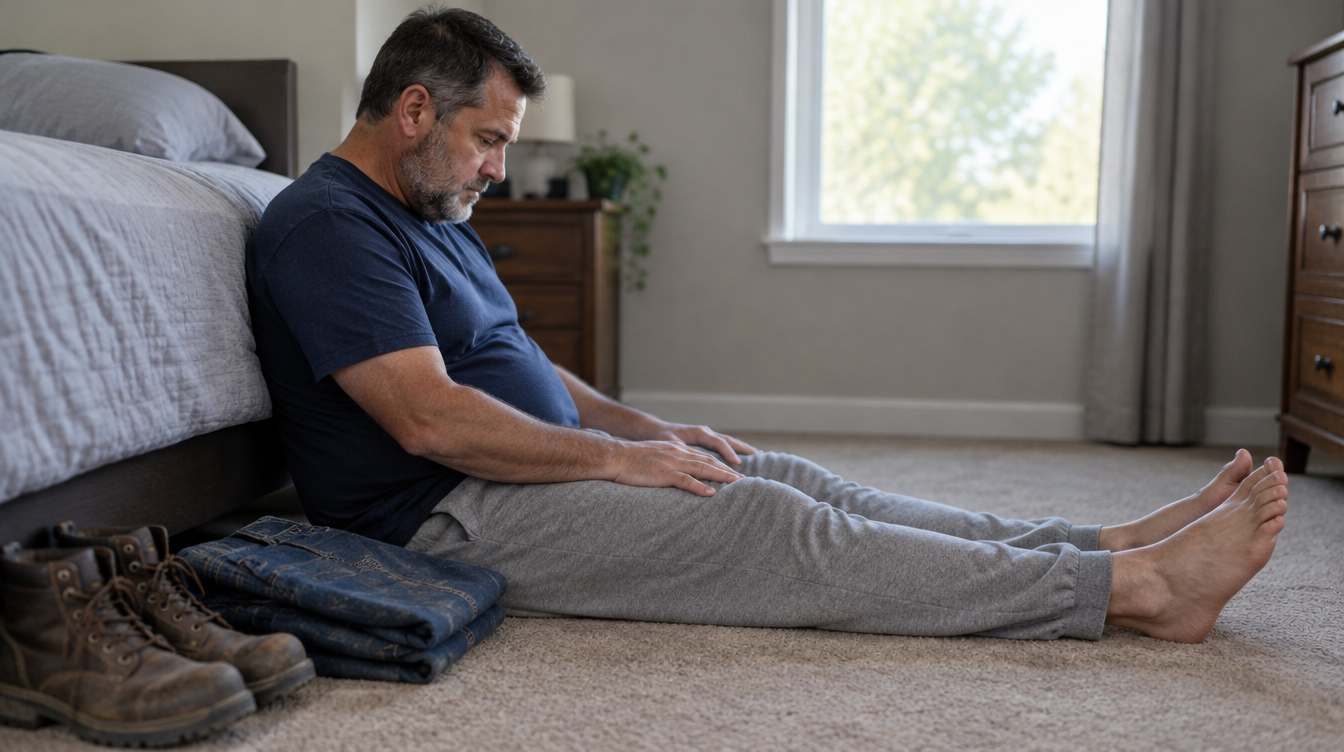
Knee Won’t Straighten After Meniscus Surgery? Why It Happens and What Helps
Three weeks out, the other knee lies flat and yours won’t. Why a knee stays bent after a meniscus trim or repair, when protocols expect it straight, what rehab teams use to get it back, and the signs that mean call to…