
Understanding Your Injury
Three weeks out, the other knee lies flat and yours won’t. Why a knee stays bent after a meniscus trim or repair, when protocols expect it straight, what rehab teams use to get it back, and the signs that mean call to…
Understanding Your Injury
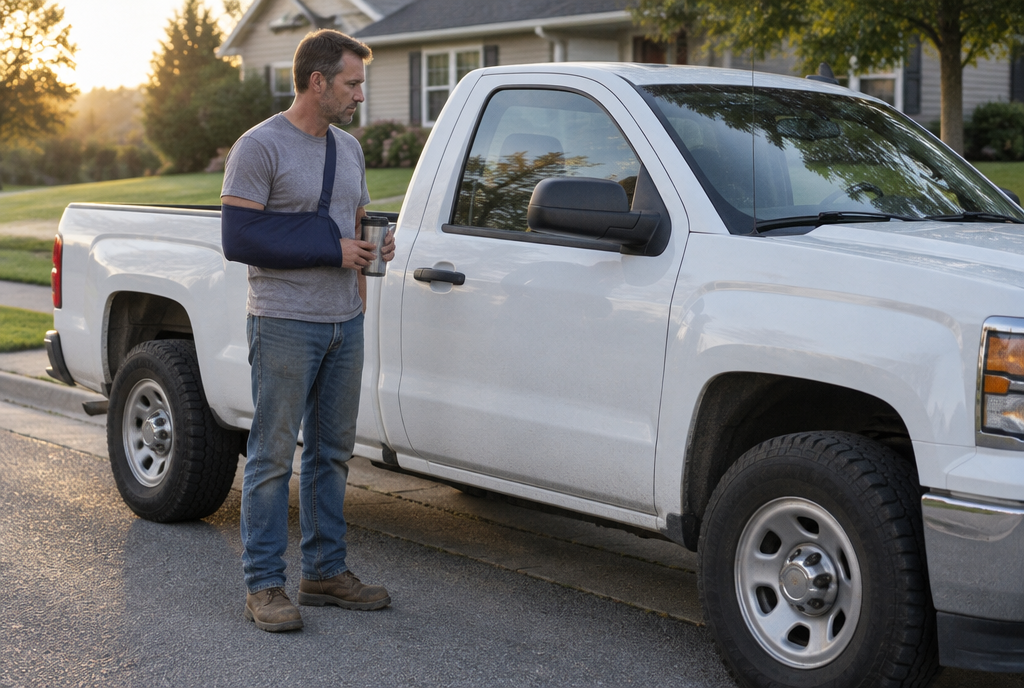
Dispatch wants you back on the road, and your arm is still strapped to your belly. What the sling means for driving after a rotator cuff repair, what the few driving studies found, and a check to run before your first…
Understanding Your Injury
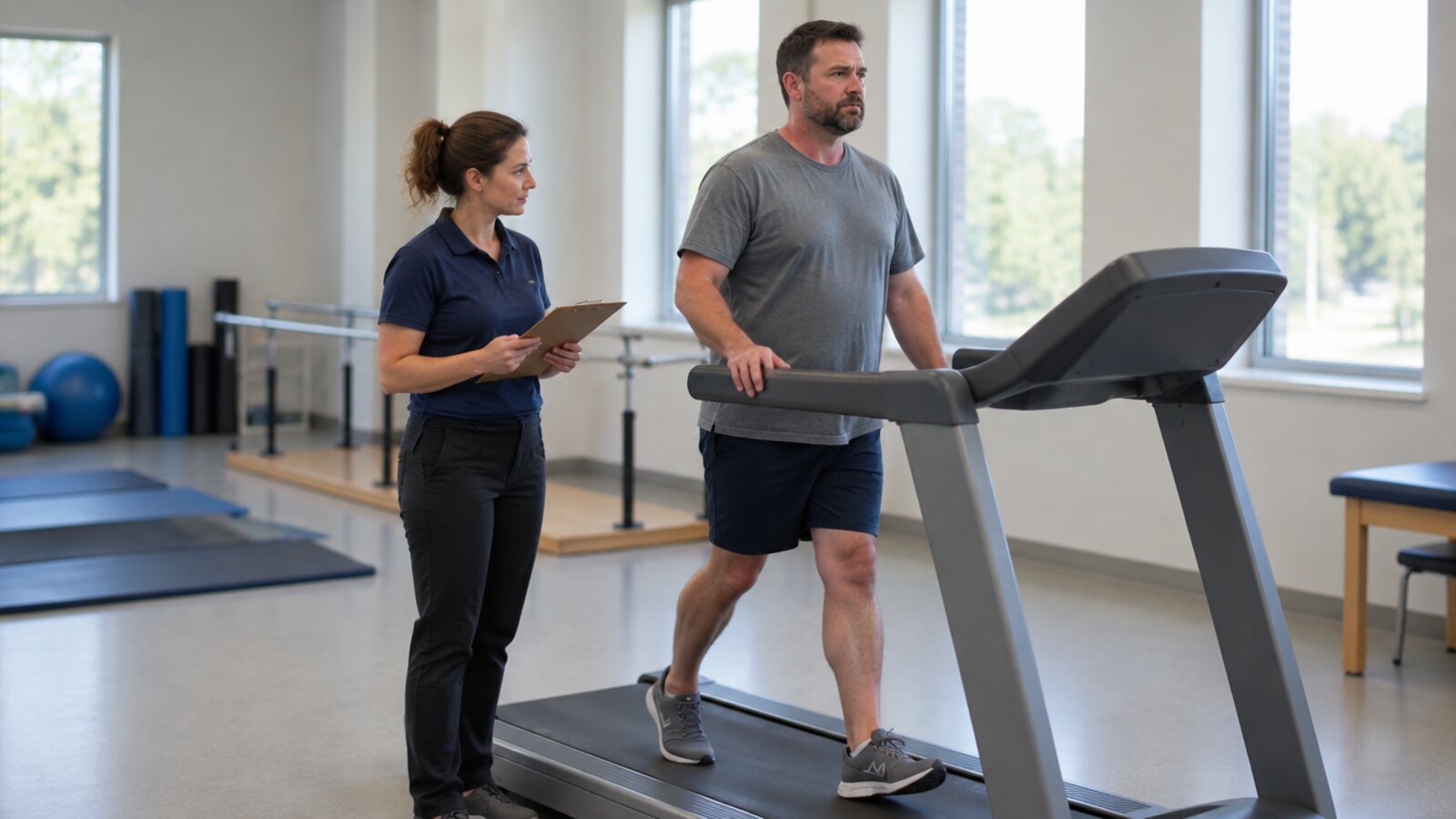
Your PT says you can try a jog. You’re wondering if ladders are next. When the first run usually comes after ACL reconstruction, what clinics test first, what a first run-walk looks like, and what it does and doesn’t …
Work and Real Life
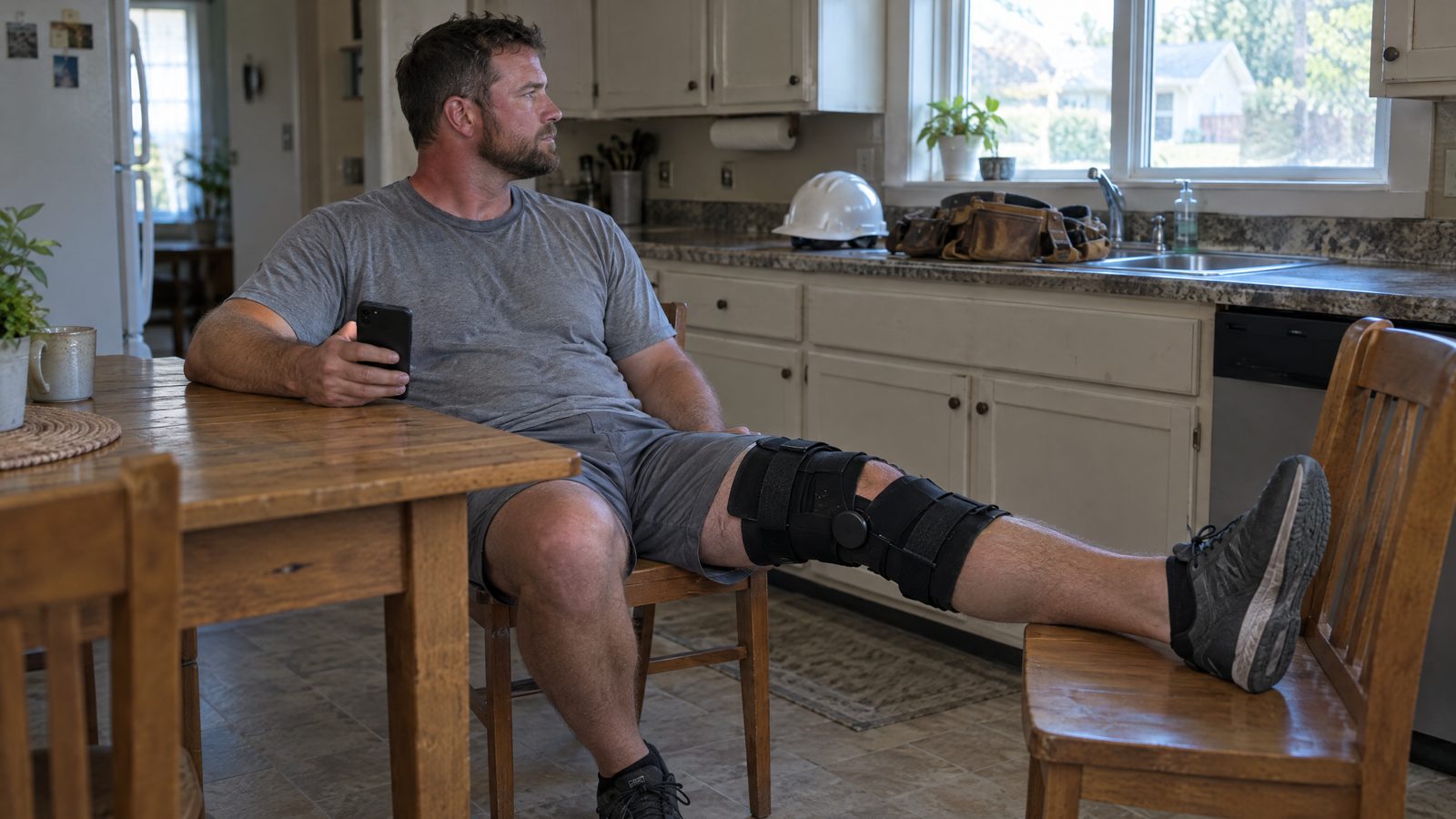
Your foreman wants a date, and you can’t even jog yet. How long physical jobs take after ACL reconstruction, why ladders and heavy loads come later, and a plan he can schedule around.
Understanding Your Injury
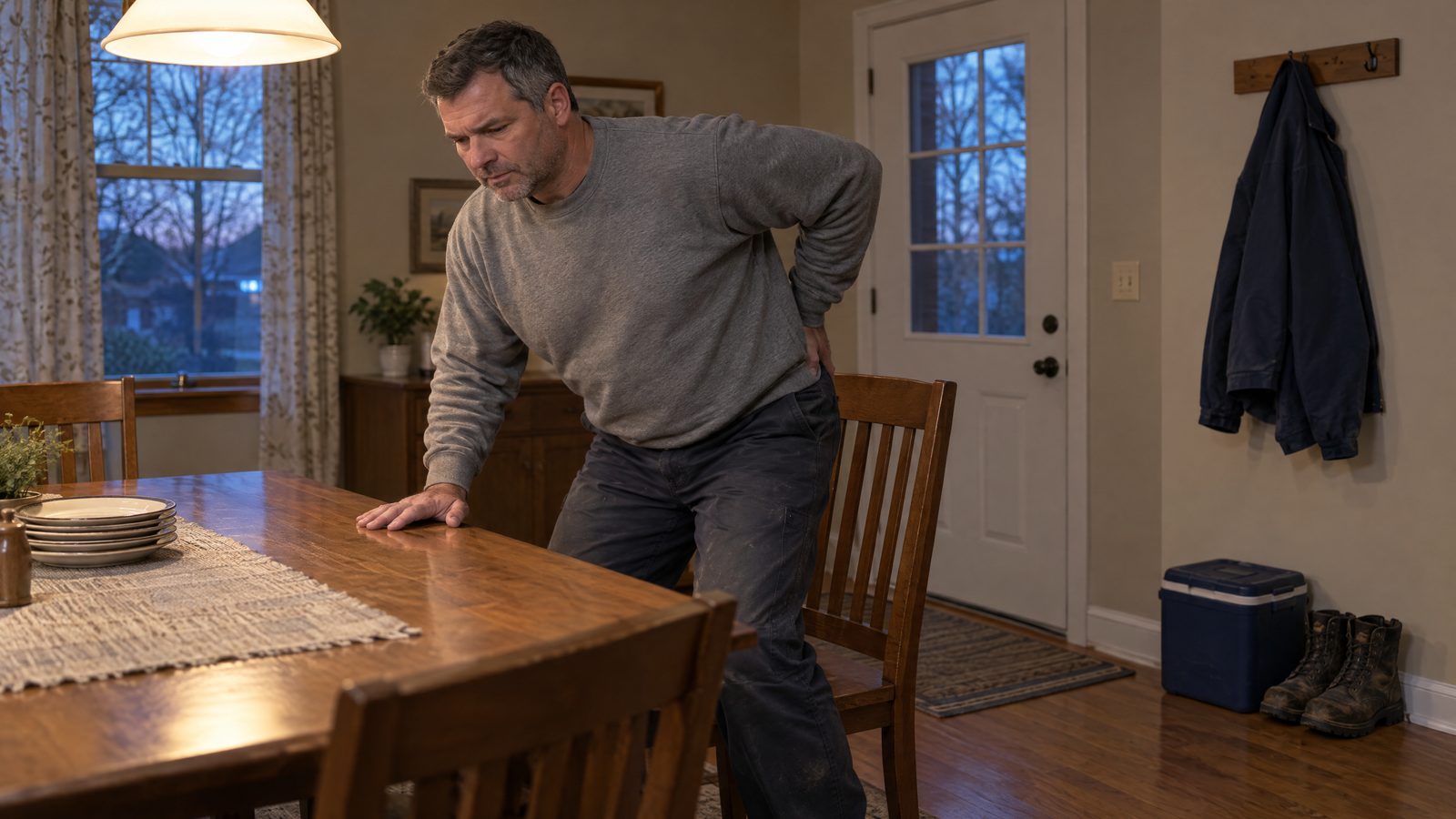
The leg pain is nearly gone, the back aches, and every twinge feels like you undid the surgery. How much to walk and sit in the first six weeks, which aches are normal, and a ladder to start tomorrow.
Understanding Your Injury
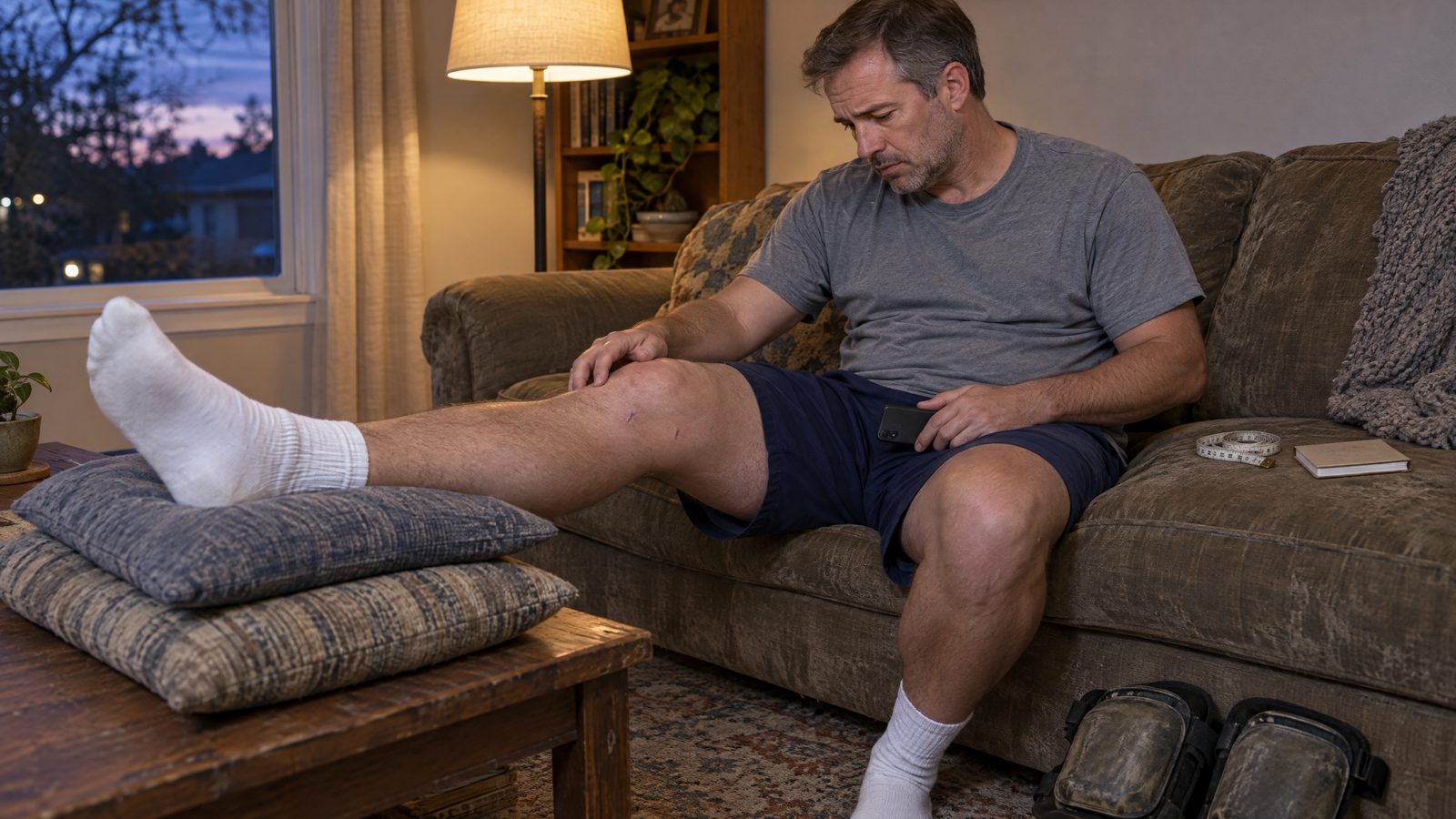
Felt a pop, and now the knee is filling up? How often meniscus repairs and ACL grafts really fail, which signs to report, how a setback tends to look, what to log tonight, and when to call.
Work and Real Life
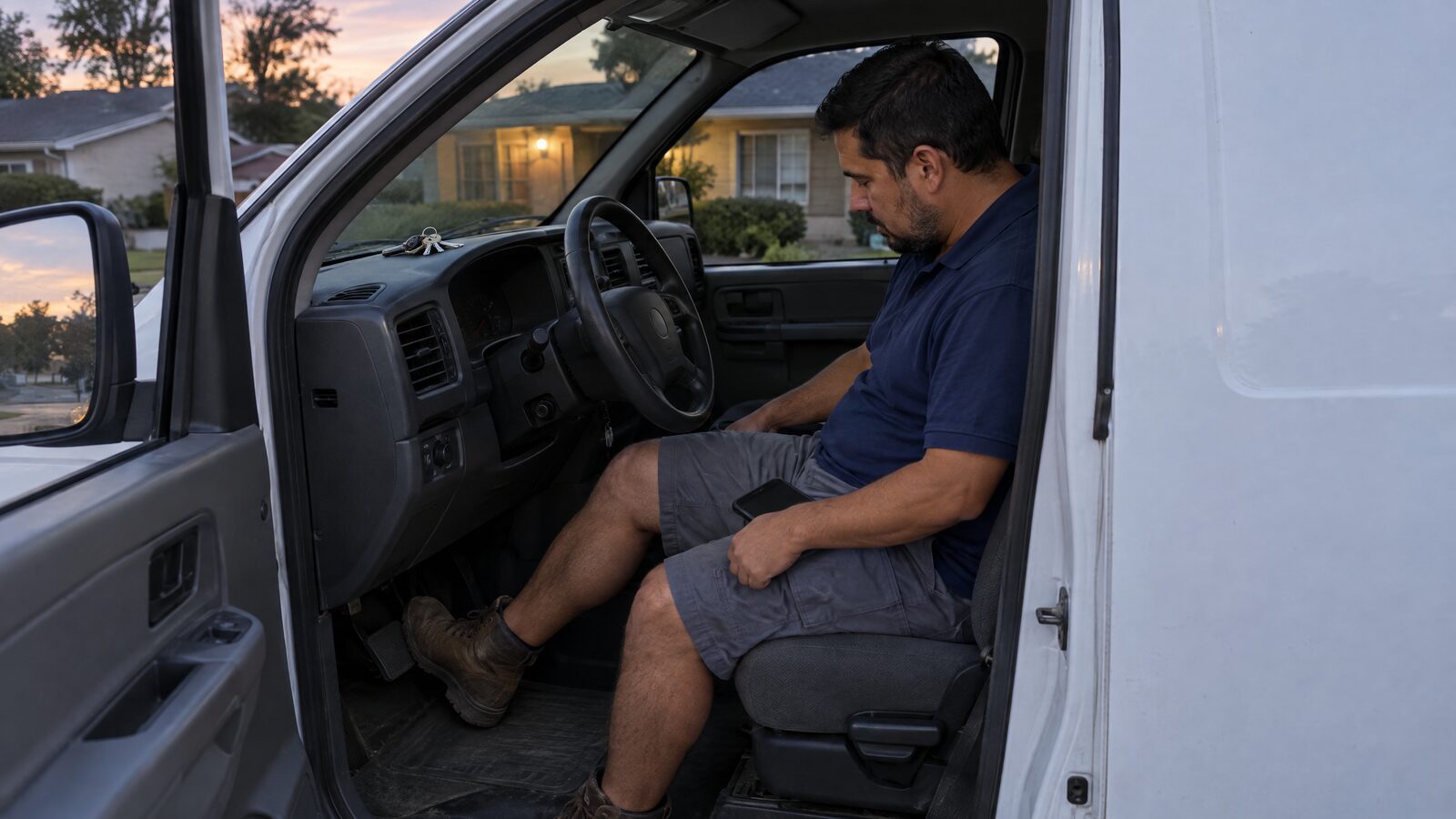
Dispatch wants a date, and your right knee isn’t ready to give one. When people drive again after a knee scope or ACL surgery, why the right knee takes longer, and a brake check to run first.

Understanding Your Injury
Awake in the recliner at 3 a.m., weeks after surgery? How to set up the chair or bed, the sling and the ice, when sleep usually comes back, and when to call.
Work and Real Life
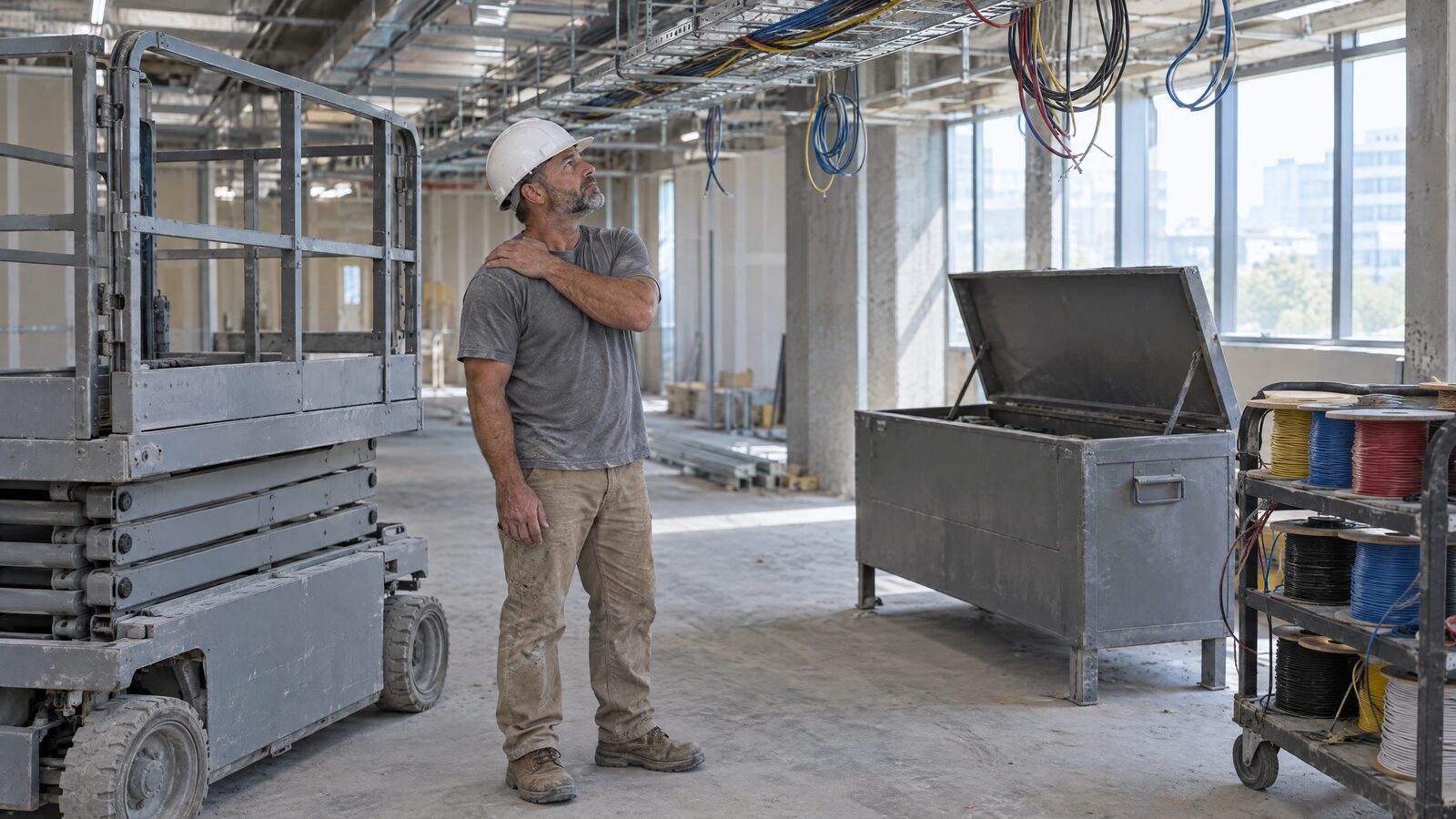
Your foreman wants a date, and your job is overhead. Typical return times after a rotator cuff repair, why heavy and overhead work come last, and a plan he can schedule around.
Understanding Your Injury
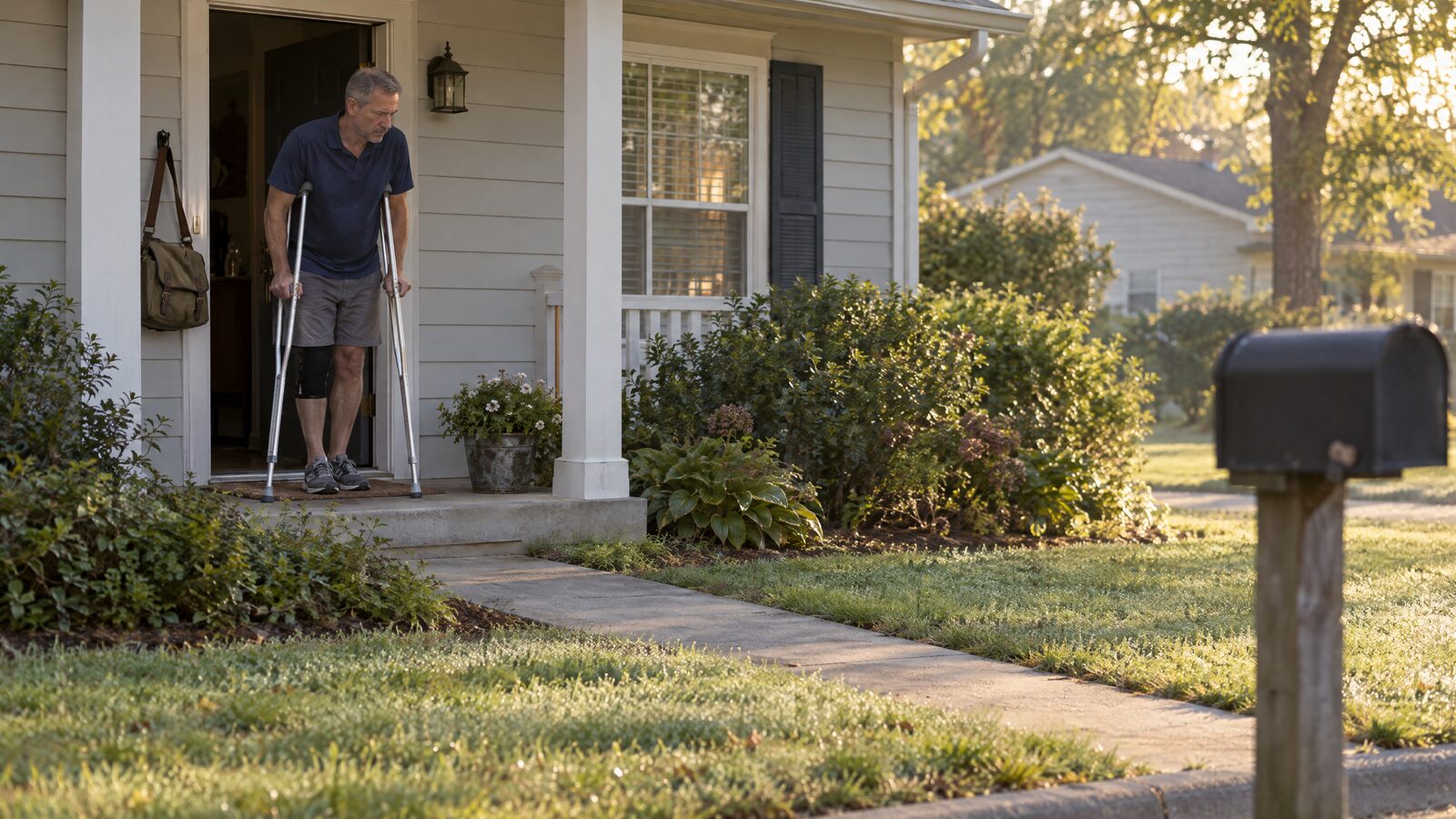
Trim or repair changes everything. When you can put weight on the leg, when the crutches can go, why a limp hangs on, and a walking ladder from the hallway to a full day on your feet.
Understanding Your Injury
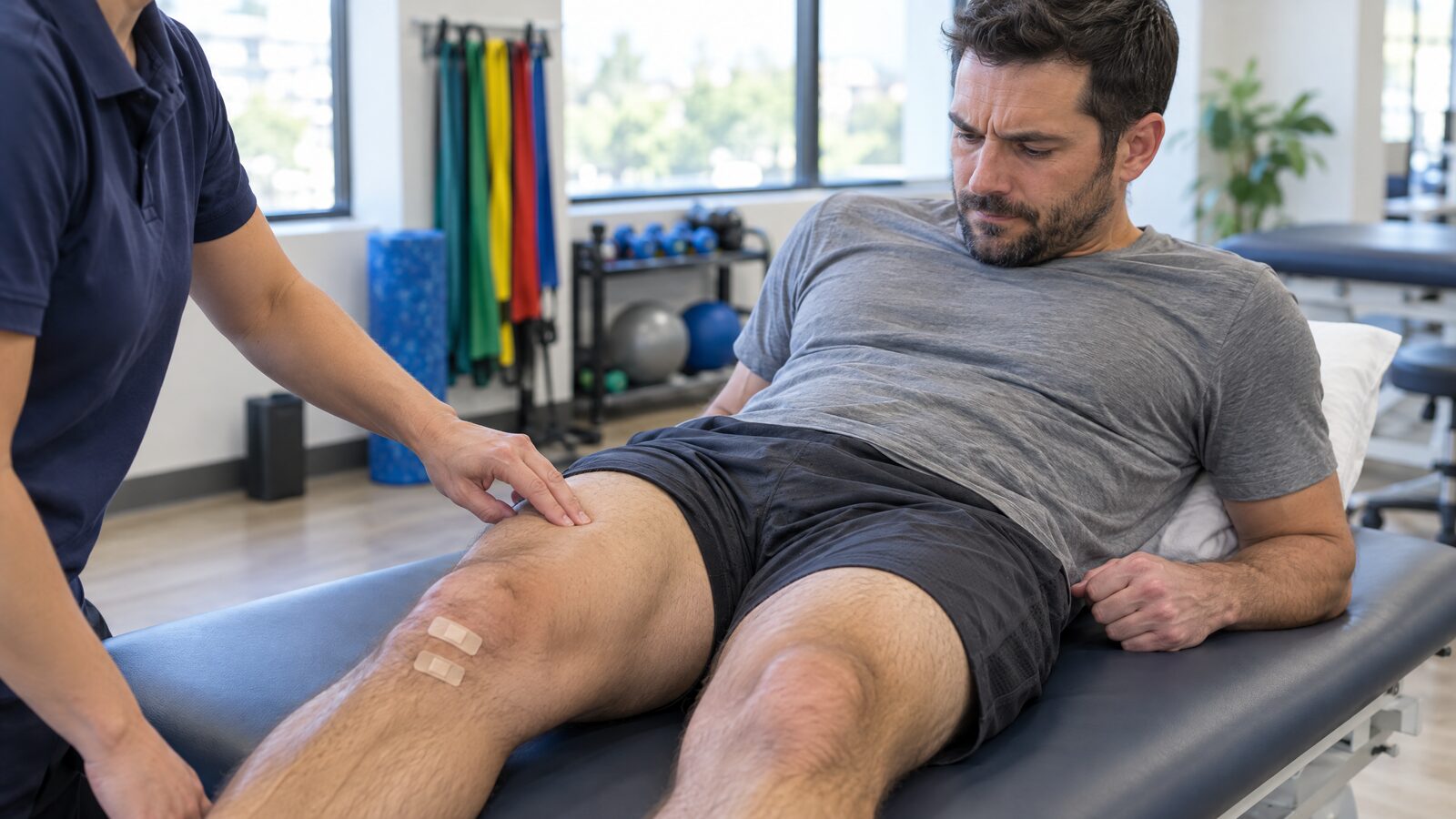
You tell your thigh to tighten and it barely answers. Why the quad switches off after knee surgery, a two-minute way to check it, and what the research says helps bring it back.
Understanding Your Injury
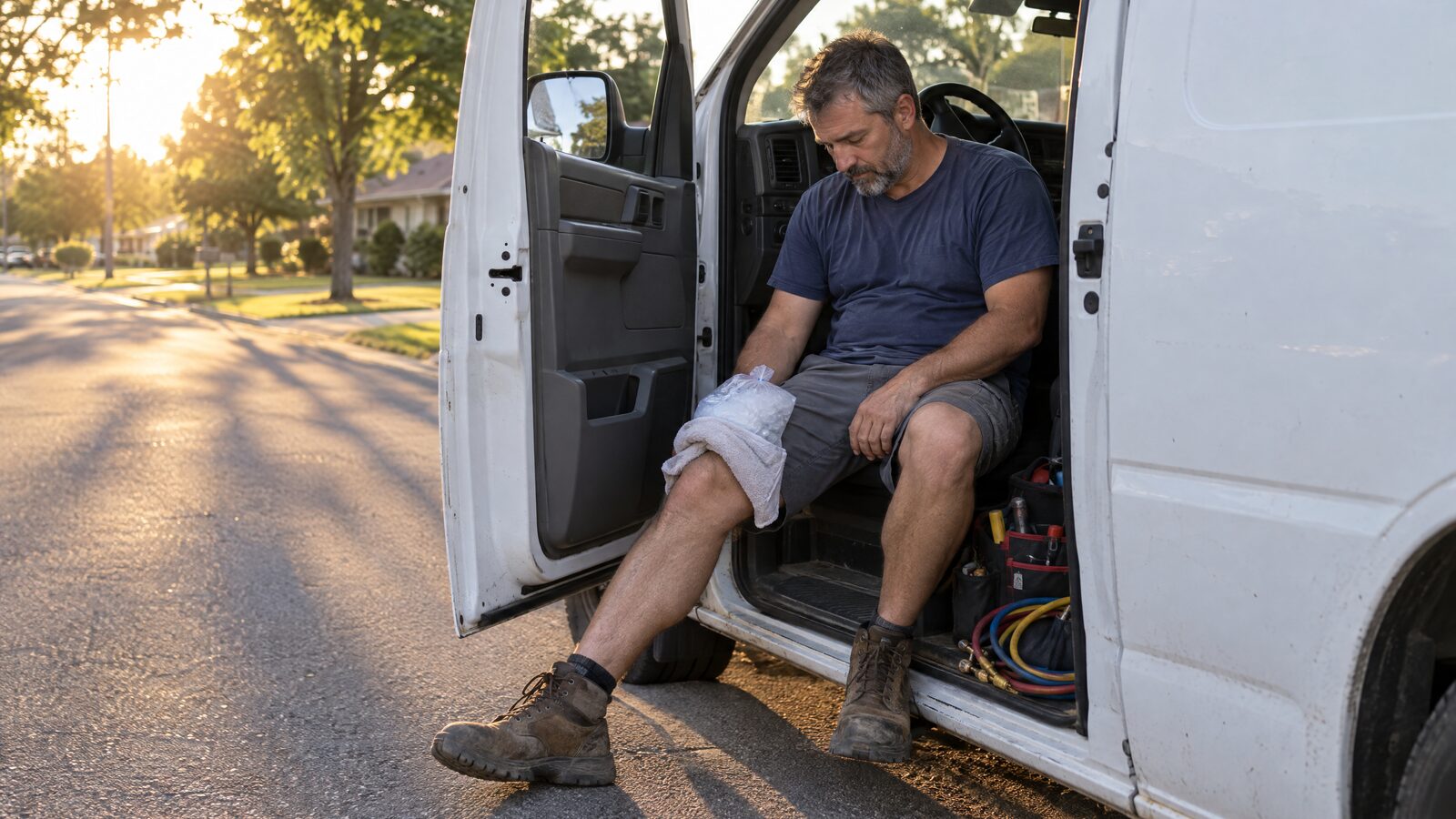
Fine in the morning, puffy by the end of every shift? How long swelling usually lasts after a meniscus trim or repair, why work brings it back, how to track it, and when to call.

Work and Real Life
Your surgeon is happy with the knee. You still can’t put it on the floor. Why kneeling lags after a scope, an ACL graft or a knee replacement, what the research shows, and a ladder to retrain it.

Work and Real Life
Your discharge sheet says no lifting for six weeks. Your job is lifting. Typical return times for heavy work, how often a disc herniates again, and how to climb back to full duty one rung at a time.
Understanding Your Injury
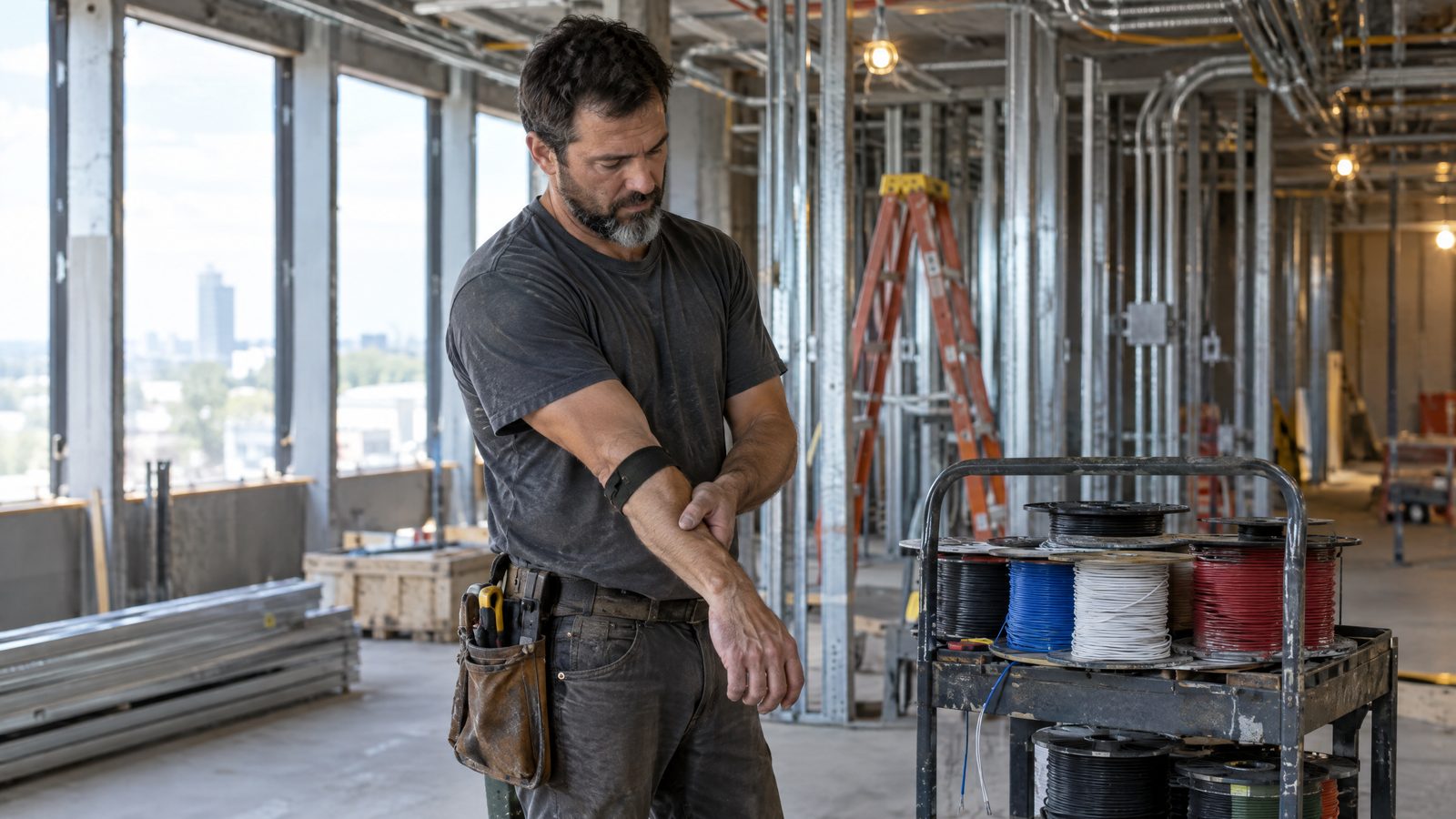
Rest calmed it, the shot bought a few good weeks, and it’s back. What the trials show about cortisone, exercise, straps, PRP and surgery for stubborn tennis elbow, and how to keep working while it settles.
Understanding Your Injury
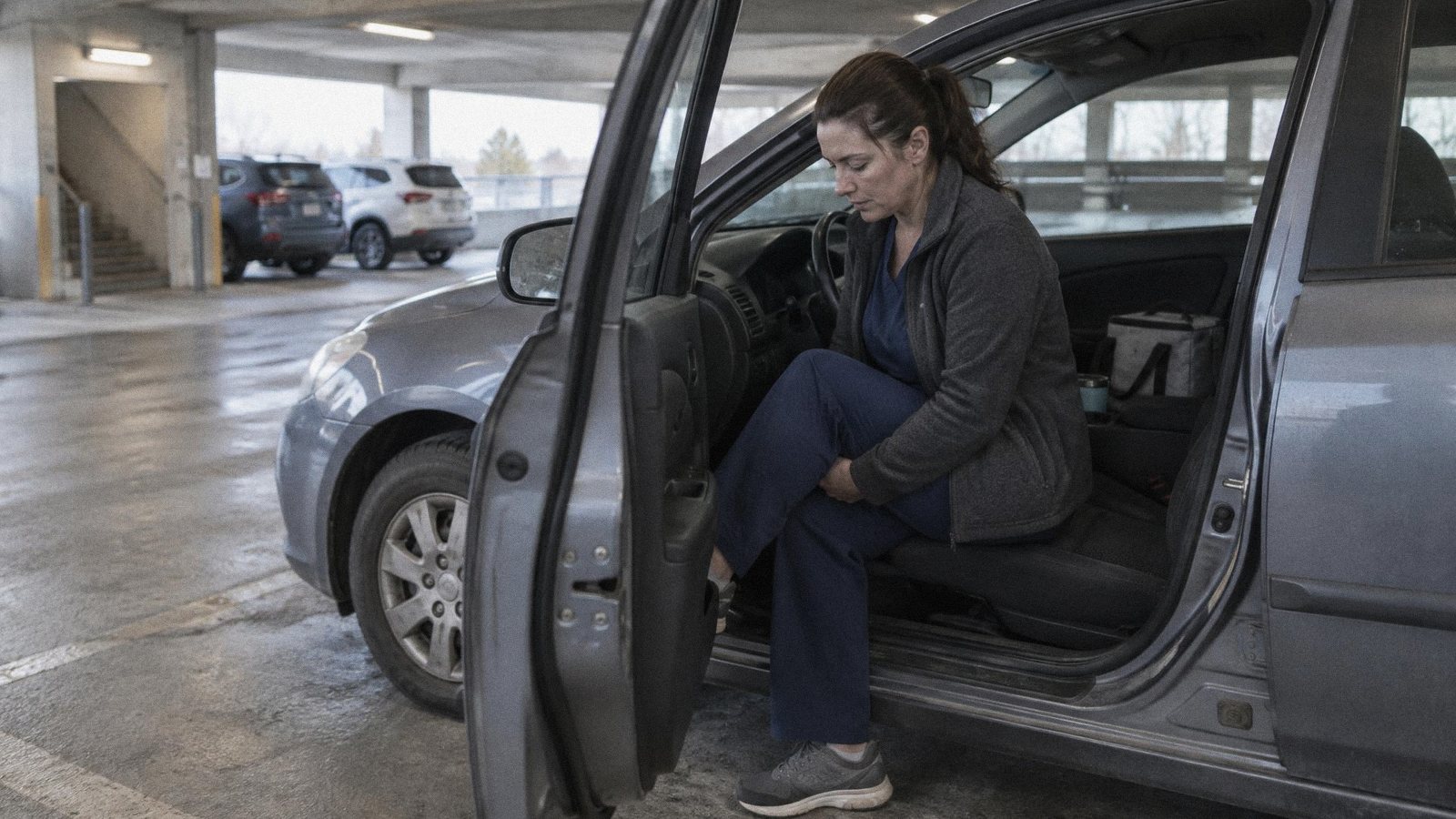
Three months after a hip scope, the front of your hip catches on every stair, and you lie awake wondering if the surgery failed. What hip flexor tendonitis is, how often it shows up, how it usually ends, and what real…

Understanding Your Injury
Told it was a quick clean-up and you’d be back in six weeks? What’s normal three months after a partial meniscectomy, what’s worth ruling out, which scans help, and what the BPC-157 knee research actually measured.

Understanding Your Injury
Night pain is back, something “gave” reaching overhead, and your boss wants a date. What’s normal at month four, how often repairs tear again, the signs worth getting checked, and what the peptide research has and has…

Reading the Evidence
Heard FDA “approved” BPC-157? It didn’t. A panel voted in July to let pharmacies compound six peptides, and nothing has legally changed yet. The three lanes a peptide can sit in, and where BPC-157 and TB-500 stand as …
Reading the Evidence
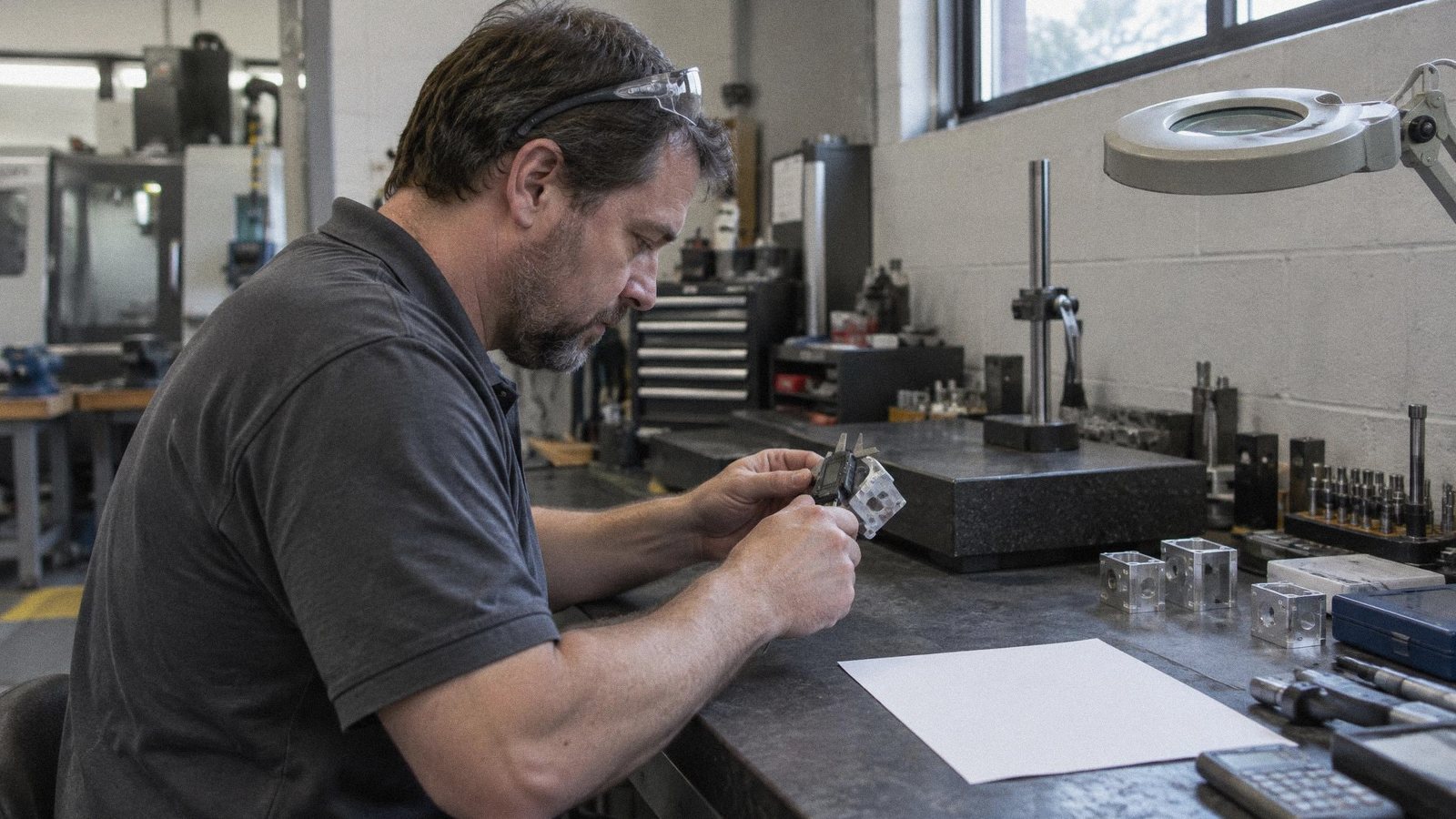
The badge says “99% pure.” That’s one number from one test. What else is in a synthetic peptide, why regulators flag it, and what a complete certificate of analysis should list.

Reading the Evidence
Seen BPC-157 pitched for tendon pain that won’t quit? More than two decades of rat studies, a 2026 head-to-head with TB-500 and a 2025 review of 36 studies: what was measured, what was found and where the evidence stops.

Reading the Evidence
BPC-157, TB-500, GHK-Cu, collagen: the group chat is sure. Here’s what’s actually been studied in people, what hasn’t, and what to ask at your next post-op visit.

Reading the Evidence
Three suppliers, three “99% purity” badges, three very different levels of proof. How to read a certificate of analysis line by line, and the six checks that matter.
Understanding Your Injury
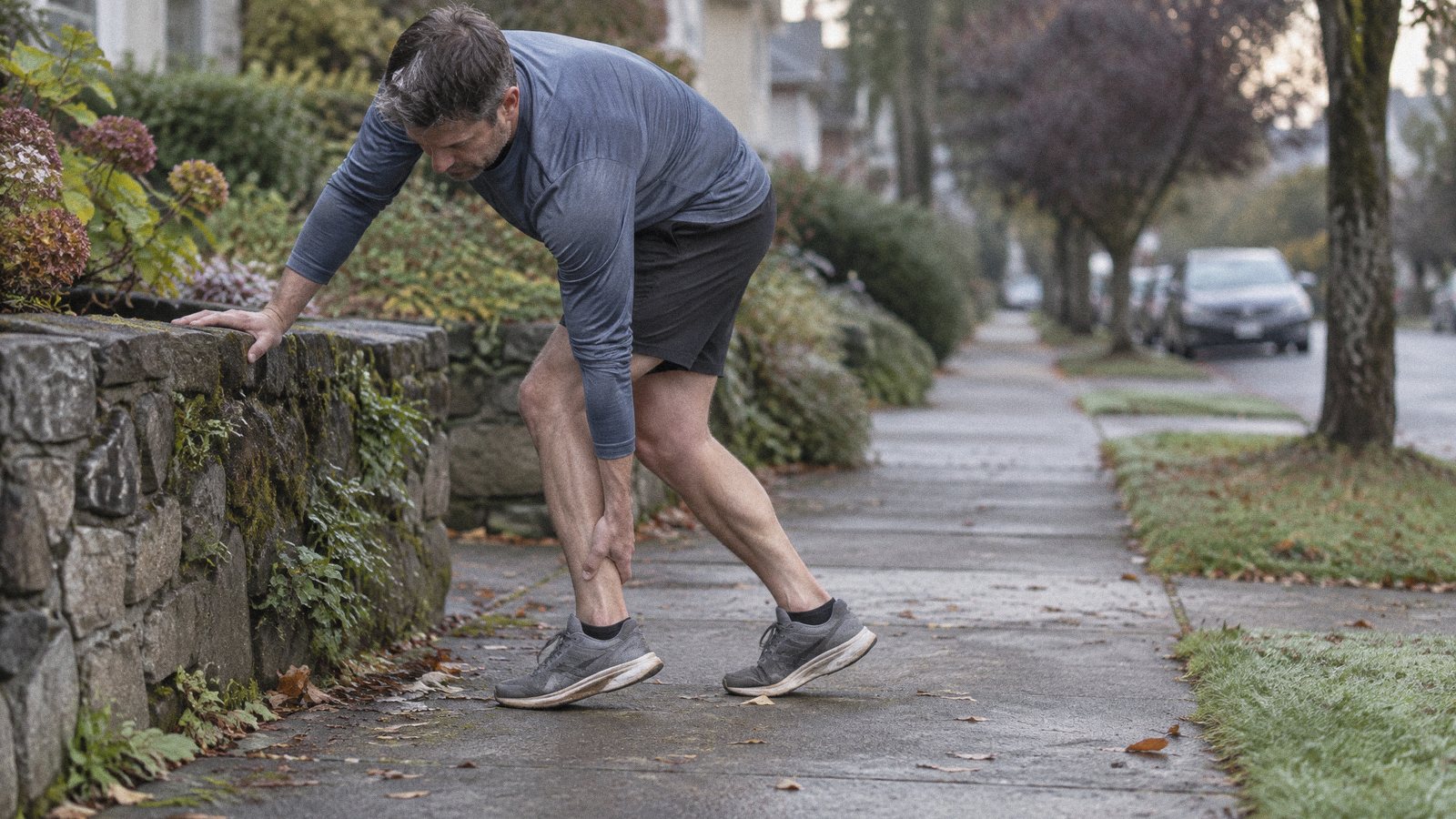
You rest it, it calms down, you run, it’s back. The adult Achilles renews very slowly, so it needs a loading plan measured in months, not another two-week break.

Reading the Evidence
Your crew lead swears by “the combo.” But BPC-157 and TB-500 are different molecules with very different evidence. What each one is, what’s been studied in people, and what the FDA said in 2026.
Work and Real Life
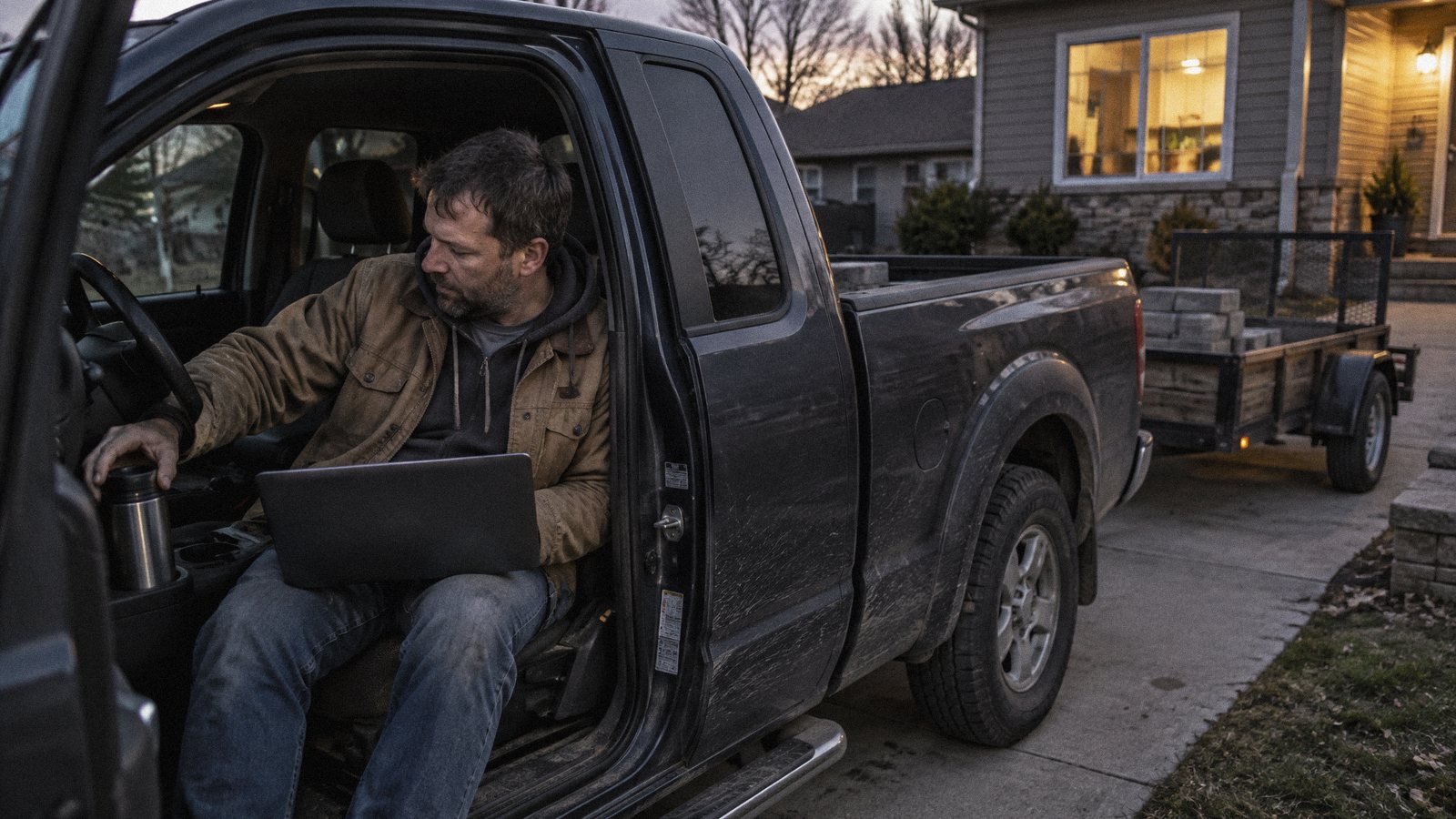
The invoices still go out. But an injury that doesn’t stop you still sends a bill: in sleep, patience and the things you’ve quietly stopped doing. Here’s how to count it.

Understanding Your Injury
The report says “tear,” and the next six months feel decided. They aren’t. How to read your shoulder MRI line by line, what the research shows, and five questions to ask.
Back to Training
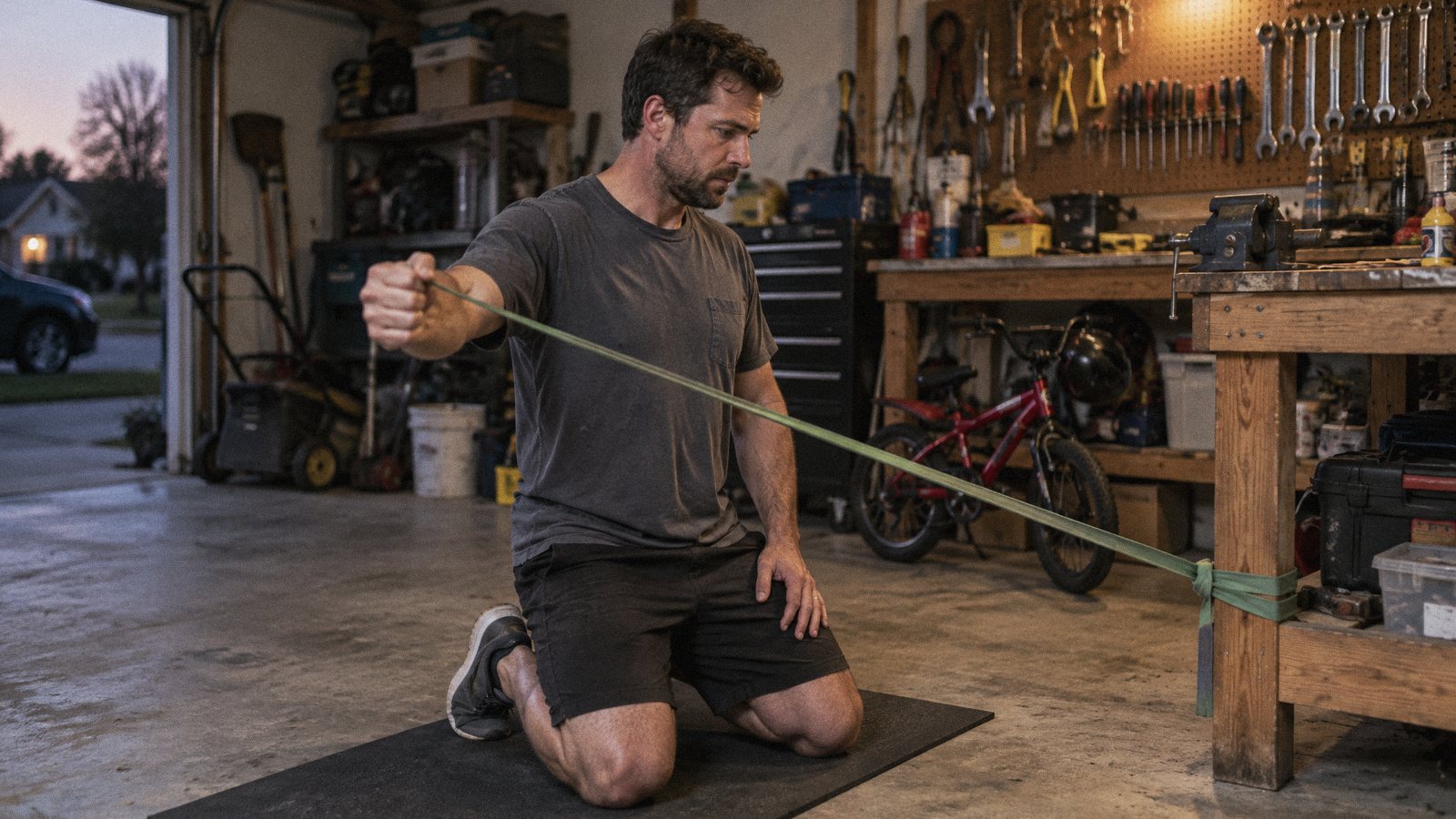
You haven’t missed a session, and you’re still stuck. Why tendons adapt slowly, what PT studies actually measure, and a six-point check to get your plan moving again.
Work and Real Life
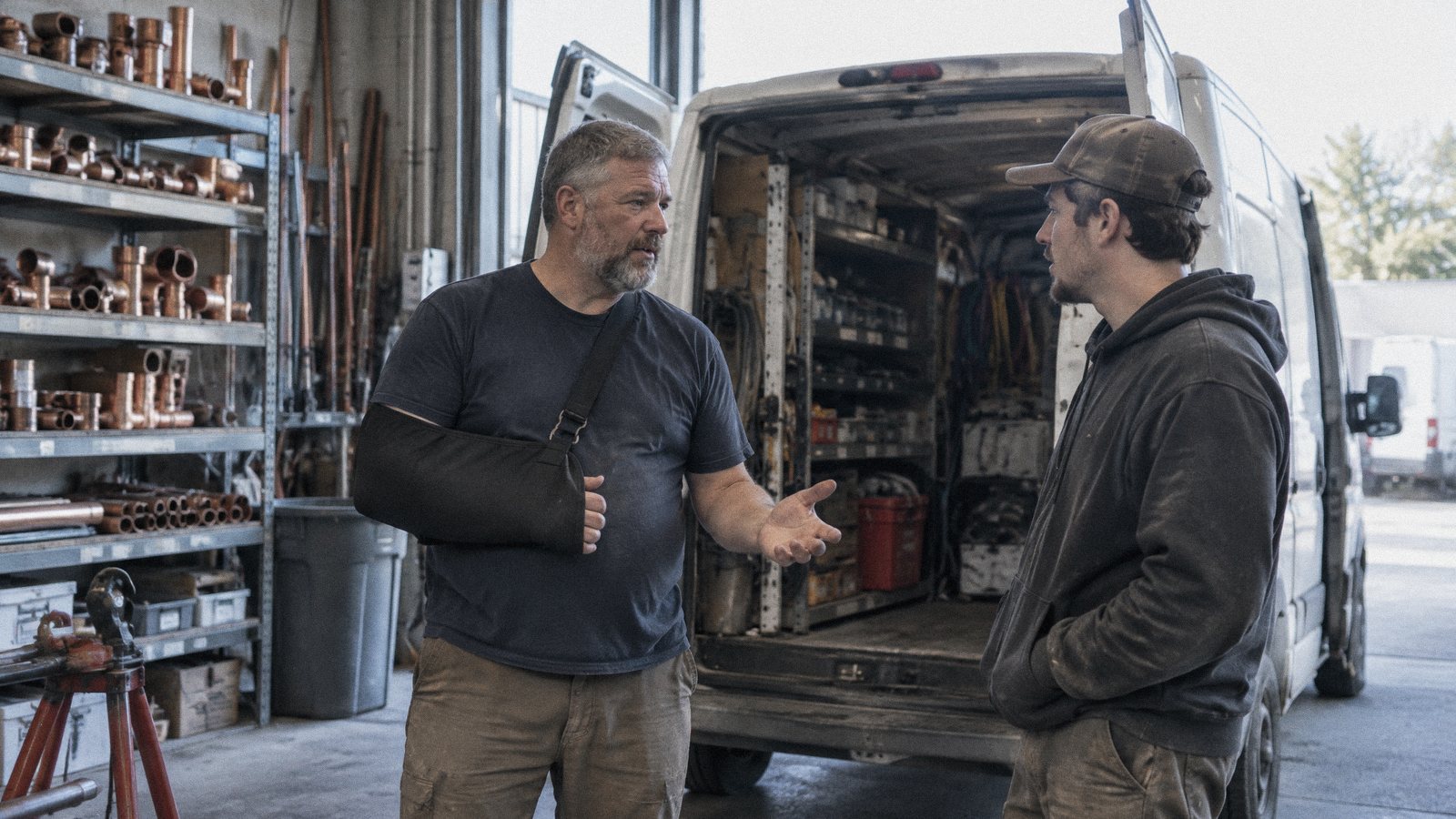
When you own the business, the injury is payroll’s problem, too. How to sort your work into what only you can do, what can change and what someone else can carry.

Back to Training
You were cleared. Your body said yes. Something else said no. Why hesitation after injury is so common, and a step-by-step ladder to rebuild trust.
Back to Training
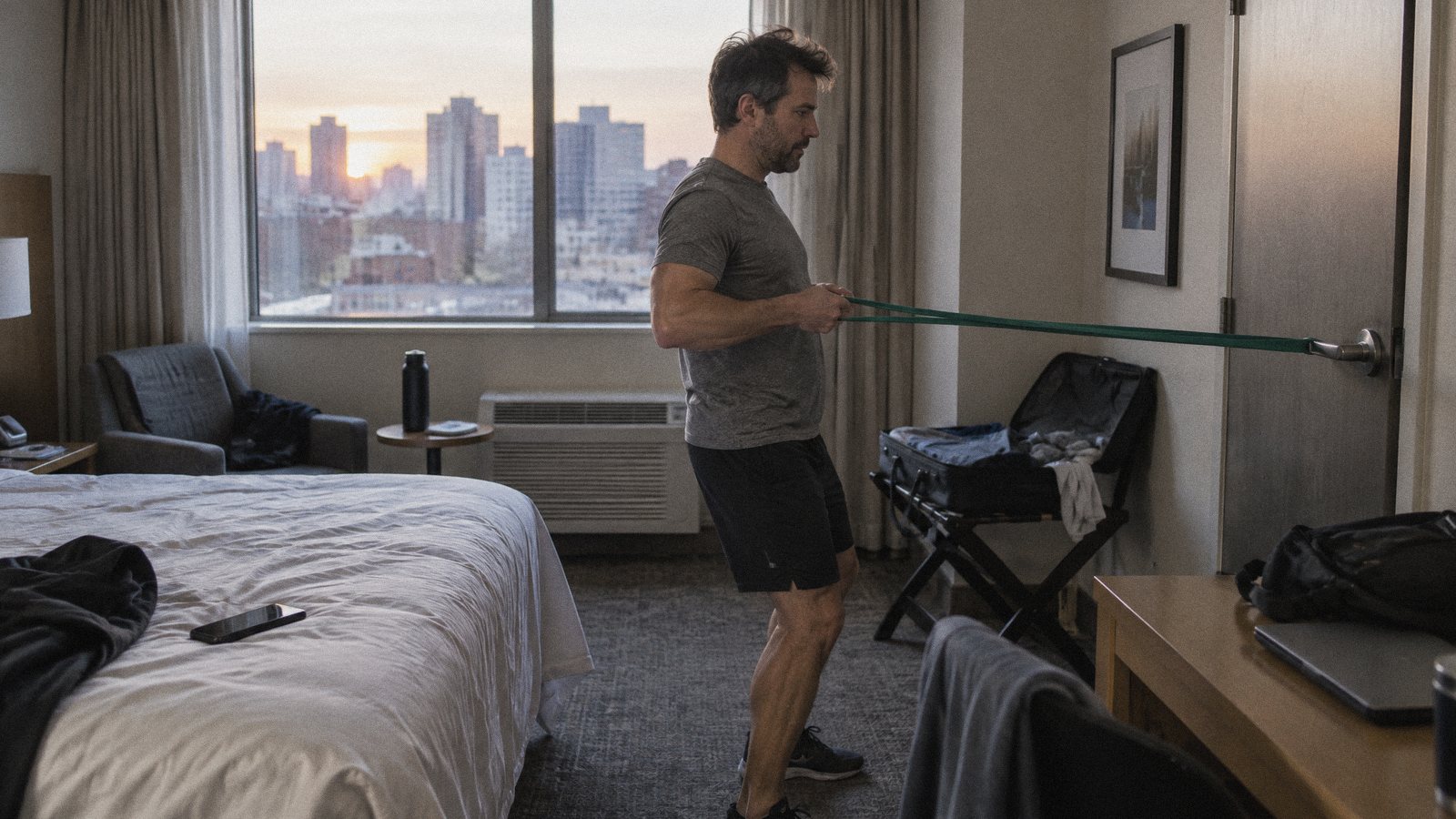
Things don’t calm down, and your rehab can’t wait until they do. How little training it takes to hold on to strength, and how to plan normal, busy and disruption weeks.

Work and Real Life
You cut the gym work and it still flares. Your shoulder counts every rep, including the ones you get paid for. How to map a whole day and change the biggest load first.
Understanding Your Injury
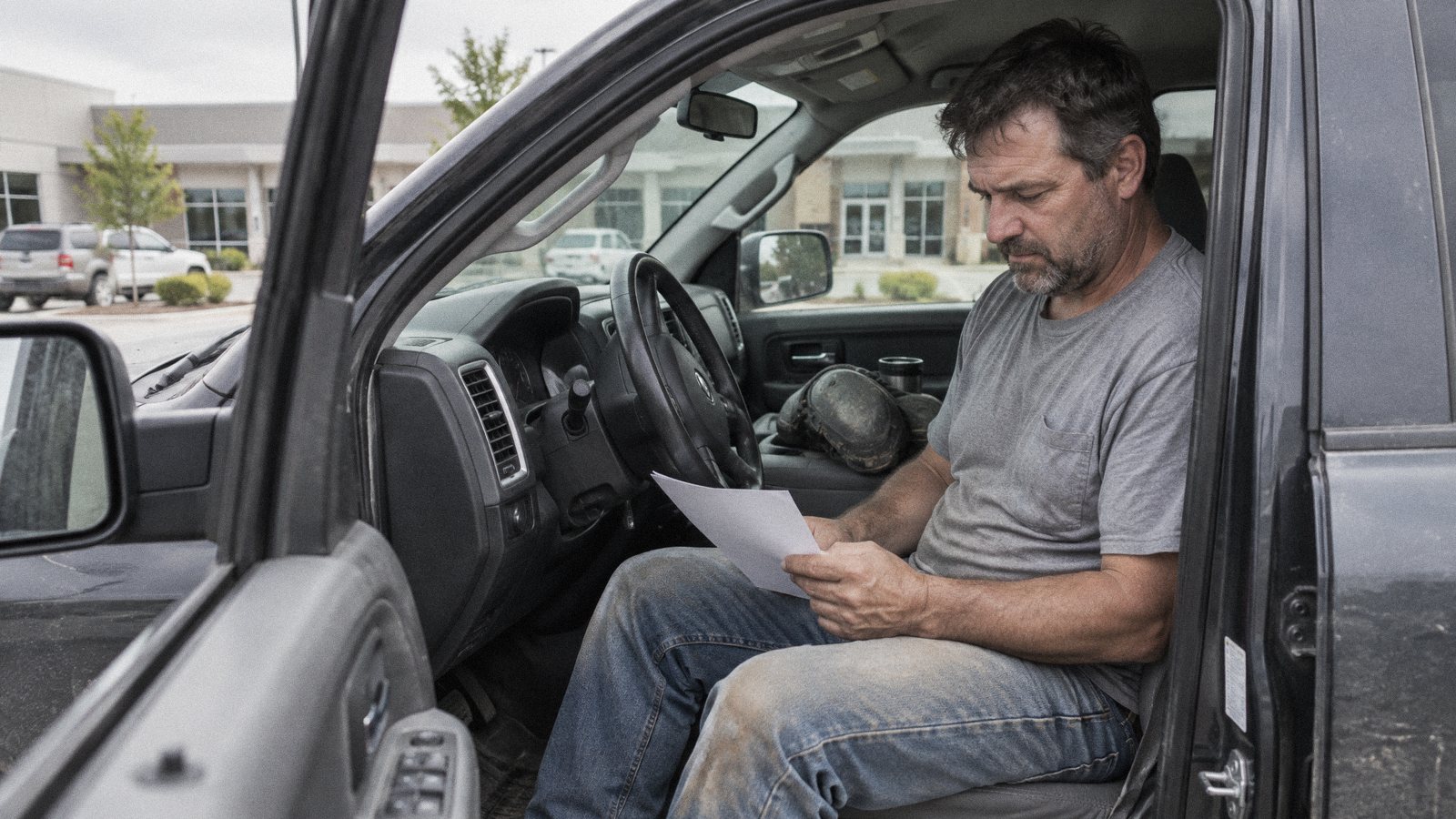
You have an instruction, not a plan. Five questions that turn “rest it” into something you can actually run your week on, plus how to say it back so nothing gets lost.

Understanding Your Injury
The injury used to be a daytime problem. Now it owns the night. Why shoulders hurt more at night, how sleep and pain feed each other, and a log to break the loop.
Reading the Evidence
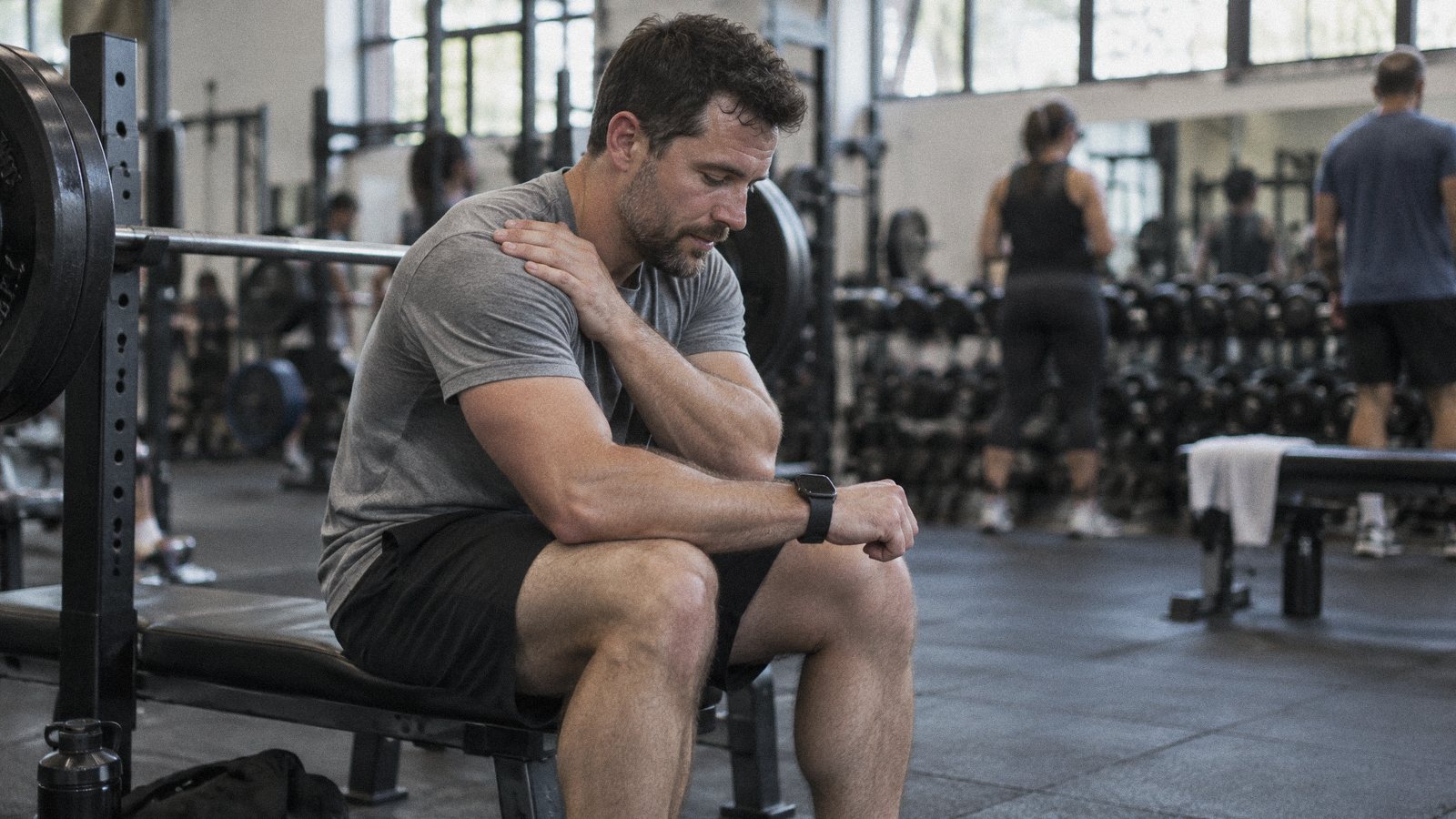
Green score, sore shoulder? A recovery score reads your whole system, not one injured joint. What it can and can’t tell you, and which signal wins when they disagree.
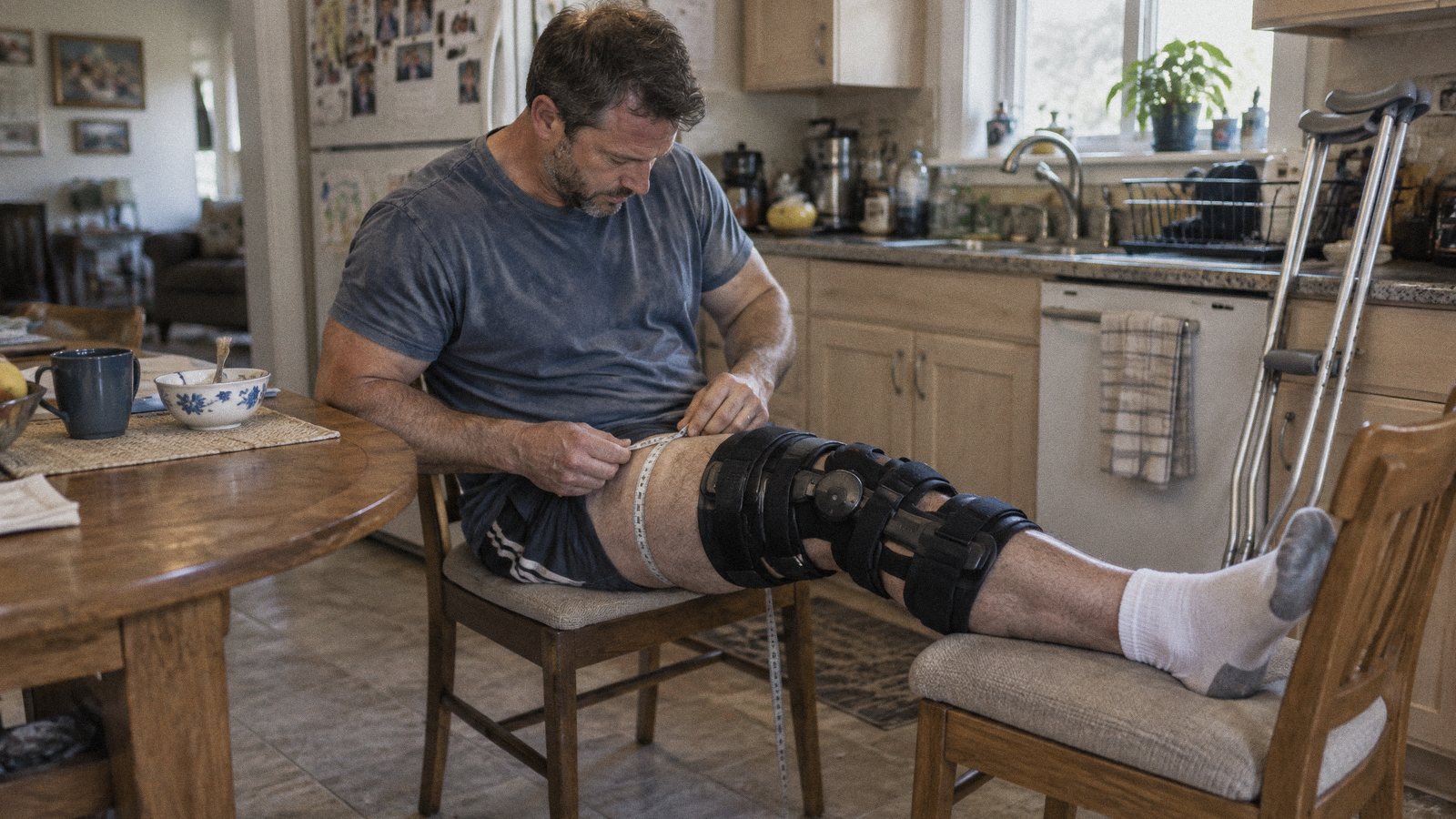
Back to Training
It feels like years of work are disappearing. Some loss is real, and most is manageable. What disuse does, why training the other side helps, and a cleared-activity list.
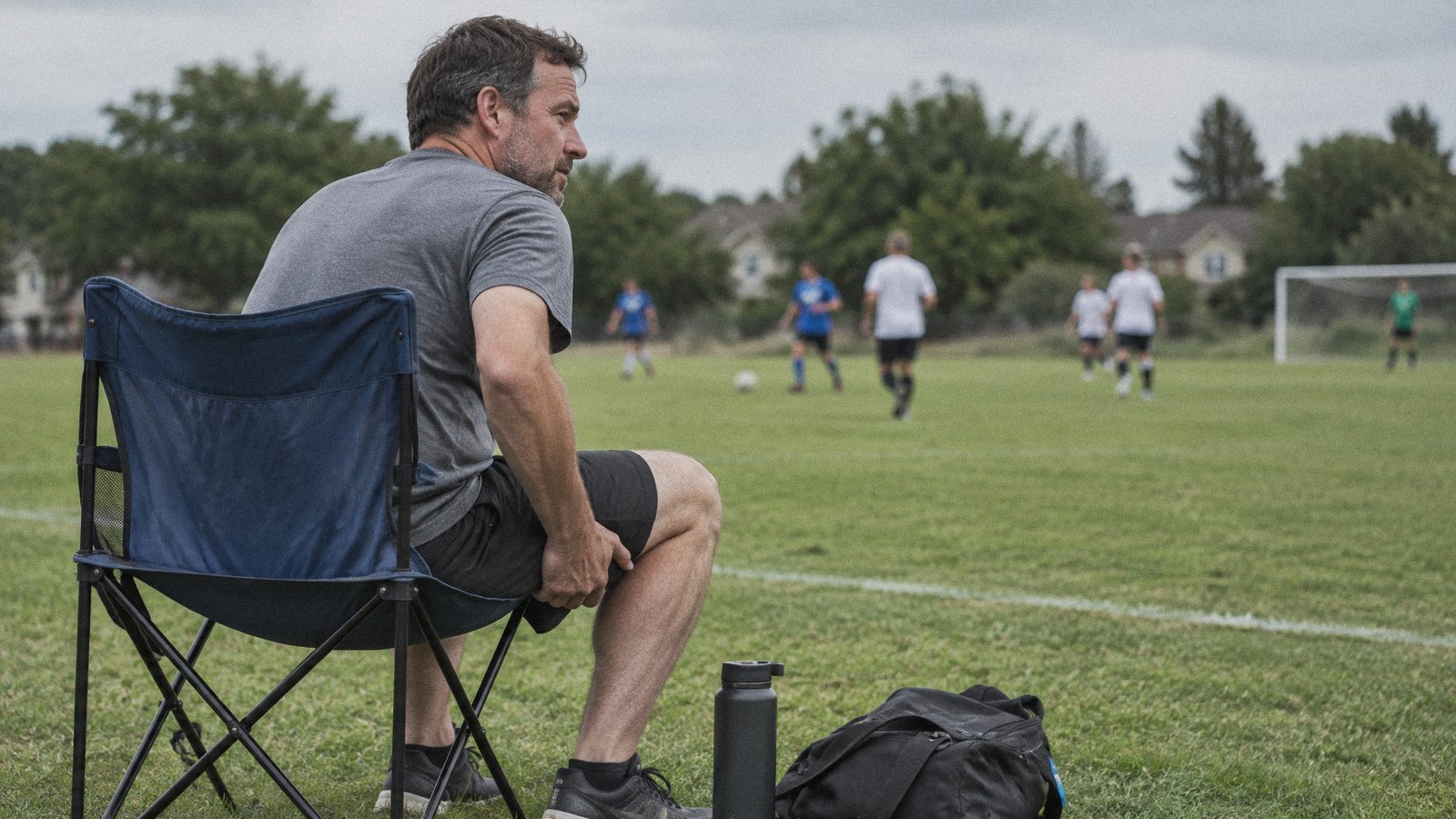
Back to Training
Jogging never asks the question a sprint does. Why pain-free isn’t ready, how return to sport happens in stages, and a step-by-step ladder back to full effort.

Reading the Evidence
A good day feels like a cure. A bad day feels like failure. Neither is true. How to track pain, function, activity and confidence separately, and see the trend that matters.
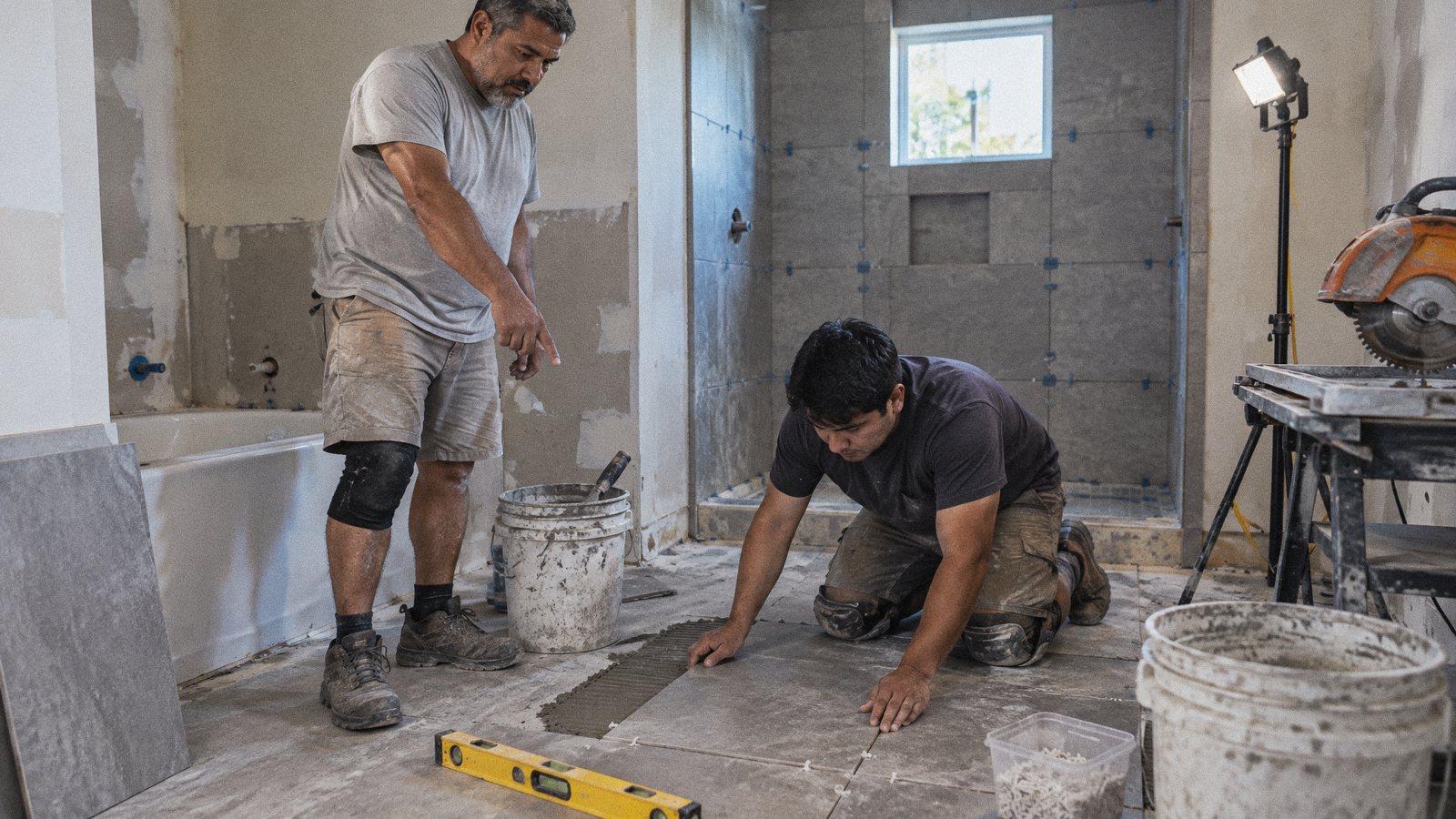
Understanding Your Injury
Your brother-in-law was back at his desk in five days. You kneel on concrete for a living, and a crew is waiting on you. Why the procedure and your job both set the timeline, and how to plan a staged return.

Understanding Your Injury
Your surgeon says repair. Your therapist says keep going. Both might be right. What the long-term research shows, when surgery usually comes up sooner, and a worksheet to decide.
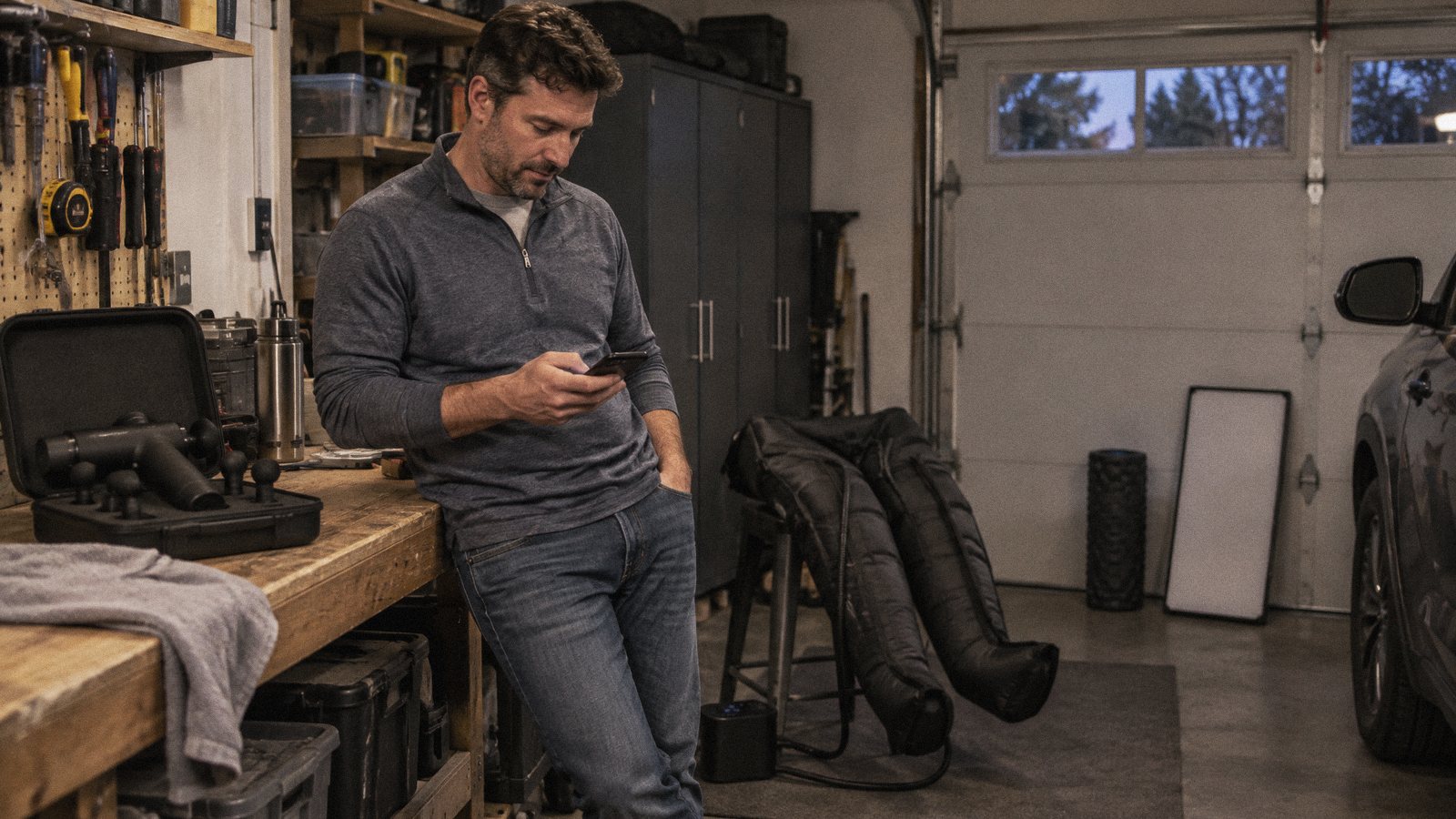
Reading the Evidence
Garage full of recovery gear, and the knee still hurts? “Accelerates recovery” is a slogan. A one-page test to run before the next gadget, supplement or service goes in your cart.

Work and Real Life
“I’ll handle it” has worked for twenty years. During recovery it can undo a surgeon’s work. How to hand off tasks without handing off who you are.

Reading the Evidence
Your buddy swears it fixed his shoulder, and he isn’t lying. The question is what it proves. Six questions to ask before a recovery story turns into a purchase or a treatment decision.

Reading the Evidence
Forums say it cuts recovery in half. Here’s every rung of the evidence, what the FDA and its July 2026 advisory vote actually mean, and the questions to bring your surgeon.

Work and Real Life
Watched your dad struggle up from the couch and thought about your own knee? “Stay healthy” is impossible to act on. A hike with your kid, a carry, getting off the floor: pick three, find what they demand, and check i…