Told to “Just Rest It”? Five Questions to Ask Before You Leave
You have an instruction, not a plan. Five questions that turn “rest it” into something you can actually run your week on, plus how to say it back so nothing gets lost.
The story below is a composite of real experiences; details changed.
“Just rest it” sounds like advice. It’s really half of one.
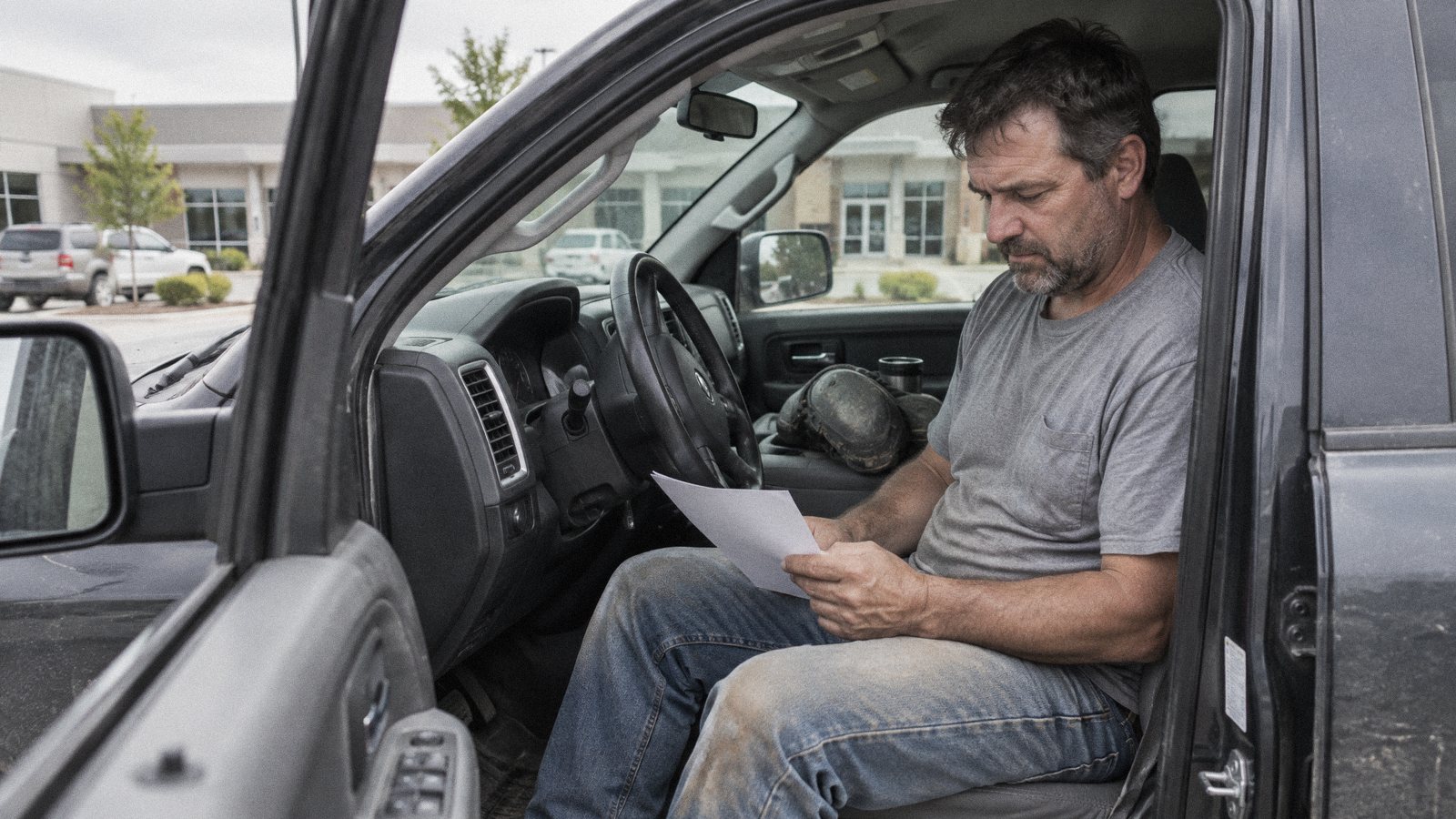
The urgent care visit takes eleven minutes. Brian Kowalski, 49, lays tile for a living, and his right knee has been swelling after long days on the floor. The doctor presses around it, bends it and says, “Rest it for a couple of weeks. Ice. Ibuprofen if you need it.”
Brian nods. He’s in his truck before the questions start.
Rest from what? Kneeling? Work? The bike? Stairs? Is a couple of weeks two, or four?
Monday morning he has a kitchen backsplash booked. He has an instruction. He doesn’t have a plan.
Five questions turn one into the other. They take about three minutes to ask.
Why “just rest it” isn’t enough
Rest is often good advice. The problem is that the word covers too much ground.
The National Institutes of Health’s musculoskeletal institute gives two steps for a fresh sports injury. First, limit use of the injured area “for at least a day or two.” Then rehab, to rebuild strength and range of motion. (NIAMS) That’s a starting point, not a two-week blank check.
Total rest has a price, too. In one study, healthy young men had one leg in a cast for five days. Their thigh muscle shrank about 3.5%, and strength dropped about 9%. (Wall et al., 2014)
That was full immobilization, not skipping a few workouts. But it shows why the kind of rest matters. Sometimes protection is exactly right. Sometimes “rest” should mean “avoid this one thing, and keep doing the rest.”
You can’t tell which, unless you ask.
“Rest it” is a headline. You need the article.
The five questions to ask before you leave
Five questions, five written answers
- “What exactly should I avoid?” Name the movements. Kneeling? Squatting? Stairs? Running? Lifting over a certain weight?
- “What can I still do?” Walking, the bike, upper body, work with changes. What’s allowed matters as much as what’s not.
- “For how long, and when do we review?” Get a number of days and a follow-up date or call.
- “How will we know it’s getting better?” Less swelling? Full bend? Kneeling for ten minutes? Pick a measure.
- “What should make me call sooner?” The signs that mean don’t wait for the follow-up.
Write the answers down in the room, or type them into your phone. Memory fades fast in the parking lot.
Say it back in your own words
Doctors call this “teach-back.” You explain the plan back to them, in plain language, before you leave. It catches misunderstandings on the spot.
Here’s what Brian’s should have sounded like:
“So: no kneeling or deep squats for ten days. Walking and the bike are fine. I can do layout and cuts standing, but somebody else sets tile on the floor. Ice after work.
“If the swelling is down and I can bend it fully, I start kneeling on a pad for short stretches. If it locks, gives way, or swells up hot, I call right away. Otherwise I check back on the 14th.”
That’s a plan. You could run a week of your life on it.
If your work is the main thing loading the joint, read why your job and your workouts can load the same injury.
The evidence, without the theater
What the research shows
- Short-term protection is standard for a fresh injury.
- Rehab should follow to rebuild strength and motion.
- Complete disuse causes fast muscle and strength loss.
What it doesn’t show
- A single right amount of rest for every injury.
- That all rest is harmful. Some injuries need real protection.
- What your specific restriction should be. Only your clinician can say.
When not to wait
Get seen promptly if you have (NIAMS):
- Severe pain, swelling or bruising.
- Pain and swelling that don’t go away after a few days.
- Can’t put any weight on it.
- A joint that looks deformed.
- Also: locking, giving way, fever, or a hot, red joint.
The call back
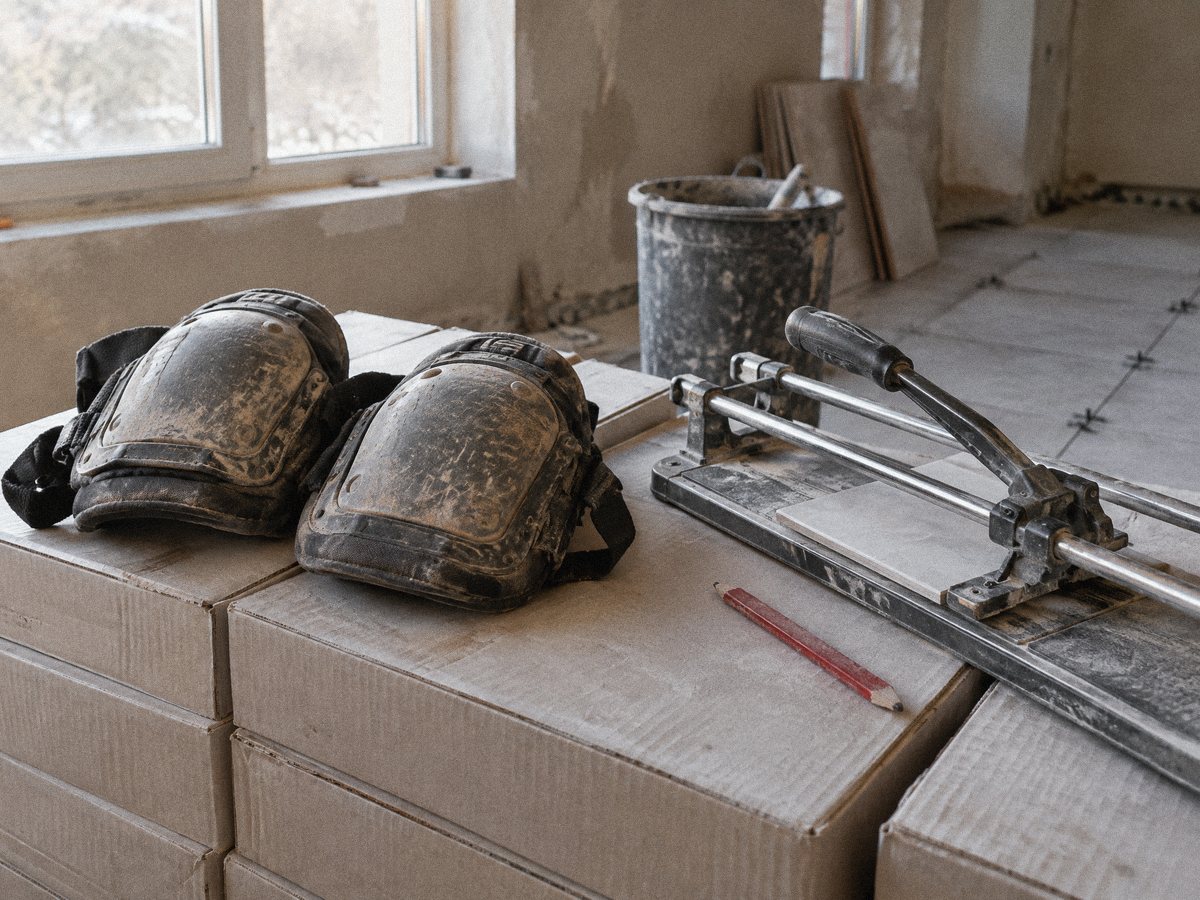
Brian calls the clinic Monday at 7 a.m. He reads his five questions to the nurse. She gets the doctor on the line for three minutes.
He gets answers. No kneeling for ten days. Standing work is fine. Recheck on the 14th.
His helper sets the backsplash. Brian does the layout and the cuts.
Same knee. Same advice. Completely different week. Save the five questions in your phone now, before you need them.
Brian is a composite, drawn from the kinds of stories people describe after short appointments. The details are illustrative. The pattern is real.
Free · Your Before-You-Leave Card
Don’t leave your next appointment with “rest it.”
Get the questions for your injury in 8 taps.
Get my card →Questions readers ask
- What does “rest it” actually mean?
- It depends on the injury. It can mean full protection or simply avoiding one movement while staying active otherwise. Ask what to avoid, what you can still do, for how long, how progress will be measured and what should make you call sooner.
- Is complete rest bad for an injury?
- Not always; some injuries need protection. But complete disuse has a cost. In one study, five days of leg casting reduced thigh muscle size by about 3.5% and strength by about 9% in healthy young men.
- When should I get seen instead of resting?
- Get seen promptly for severe pain, swelling or bruising; pain and swelling that don’t improve after a few days; being unable to bear weight; an obvious deformity; locking, giving way, fever or a hot, red joint.
Sources & references (2)
- Sports Injuries: Diagnosis, Treatment, and Steps to Take · NIAMS, 2024
- Substantial skeletal muscle loss occurs during only 5 days of disuse · Acta Physiologica, 2014
The Series
45 articlesPart 1: Understanding Your Injury (1 to 19)
- After the MRI: How to Read a Rotator Cuff Report Without Getting Sold a Surgery
- Told to “Just Rest It”? Five Questions to Ask Before You Leave
- When Shoulder Pain Keeps Waking You Up
- Meniscus Surgery Recovery: When Can You Return to Your Kind of Work?
- Rotator Cuff Surgery or More Physical Therapy? Questions That Clarify the Decision
- Achilles Tendon Pain: Why This Tendon Is a Different Problem
- Four Months After Rotator Cuff Repair and It Still Hurts: Normal, or a Retear?
- Your Knee Feels Worse After the Meniscus Scope. What Could Be Going On?
- Hip Flexor Pain After Hip Arthroscopy: Why It Shows Up and When It Settles
- Tennis Elbow That Won’t Go Away: Why Rest and Shots Stall, and What Helps
- Knee Swelling After Meniscus Surgery: How Long Is Normal, and When to Call
- Quad Won’t Fire After Knee Surgery? What Quad Shutdown Is and How to Get It Back
- Walking After Meniscus Surgery: When You Can, How Far, and When to Drop the Crutches
- How to Sleep After Rotator Cuff Surgery, and When Nights Get Easier
- Felt a Pop After Knee Surgery? Re-Tear or Setback, and When to Call
- Home After a Microdiscectomy: How Much to Walk and How Long to Sit
- Running After ACL Surgery: When Your First Jog Comes, and What It Tells You About Work
- When Can You Drive After Rotator Cuff Surgery and Get Back in the Work Truck?
- Knee Won’t Straighten After Meniscus Surgery? Why It Happens and What Helps
Part 2: Work and Real Life (20 to 29)
- You Can Still Work. But What Is Your Injury Costing You?
- Self-Employed and Injured: How to Plan for Time Away From Work
- Your Job and Your Workouts Are Loading the Same Injury
- How to Take Time to Recover When Everyone Depends on You
- What Do You Still Want to Be Able to Do in Ten Years?
- Microdiscectomy Recovery: When Can You Go Back to Heavy Work?
- Kneeling After Knee Surgery: Why It Comes Back Last and How to Retrain It
- Rotator Cuff Surgery Recovery: When Can You Go Back to Work?
- When Can You Drive After Knee Surgery and Get Back in the Work Van?
- When Can You Go Back to Physical Work After ACL Surgery?
Part 3: Back to Training (30 to 34)
Part 4: Reading the Evidence (35 to 45)
- Your Watch Says You’re Recovered. Your Shoulder Disagrees.
- Recovery Is Taking Longer Than You Expected. What Counts as Progress?
- Before You Buy Another Recovery Tool, Decide What You Need It to Do
- “It Worked for Me”: How to Evaluate a Recovery Claim
- BPC-157 After an Orthopedic Procedure: What Does the Research Actually Show?
- TB-500 vs. BPC-157: What the Research Actually Compares
- How to Read a Peptide COA: What It Proves and What It Doesn’t
- The Research Stack People Ask About After a Scope, and the Gaps in the Human Data
- What the Tendon Research on BPC-157 Actually Measured
- What’s in the Other 1%? Peptide Impurities, Explained
- Approved, Compounded or “Research Use Only”: What a Peptide’s Label Means in 2026
Free · 60-second recovery check
What’s really holding your recovery back?
Eight quick taps. Find the one thing stalling your recovery, then get the three moves to work on first, picked from 30 guides and 100+ cited sources.
- Your bottleneck, named in 60 seconds
- 3 moves for this week, fitted to your job
- Your Before-You-Leave Card: the questions for your next appointment
What got hurt?
Free. No sign-up to start. Not medical advice.
Keep reading
Knee Won’t Straighten After Meniscus Surgery? Why It Happens and What Helps
Three weeks out, the other knee lies flat and yours won’t. Why a knee stays bent after a meniscus trim or repair, when protocols expect it straight, what rehab teams use to get it back, and the signs that mean call to…
When Can You Drive After Rotator Cuff Surgery and Get Back in the Work Truck?
Dispatch wants you back on the road, and your arm is still strapped to your belly. What the sling means for driving after a rotator cuff repair, what the few driving studies found, and a check to run before your first…
Running After ACL Surgery: When Your First Jog Comes, and What It Tells You About Work
Your PT says you can try a jog. You’re wondering if ladders are next. When the first run usually comes after ACL reconstruction, what clinics test first, what a first run-walk looks like, and what it does and doesn’t …